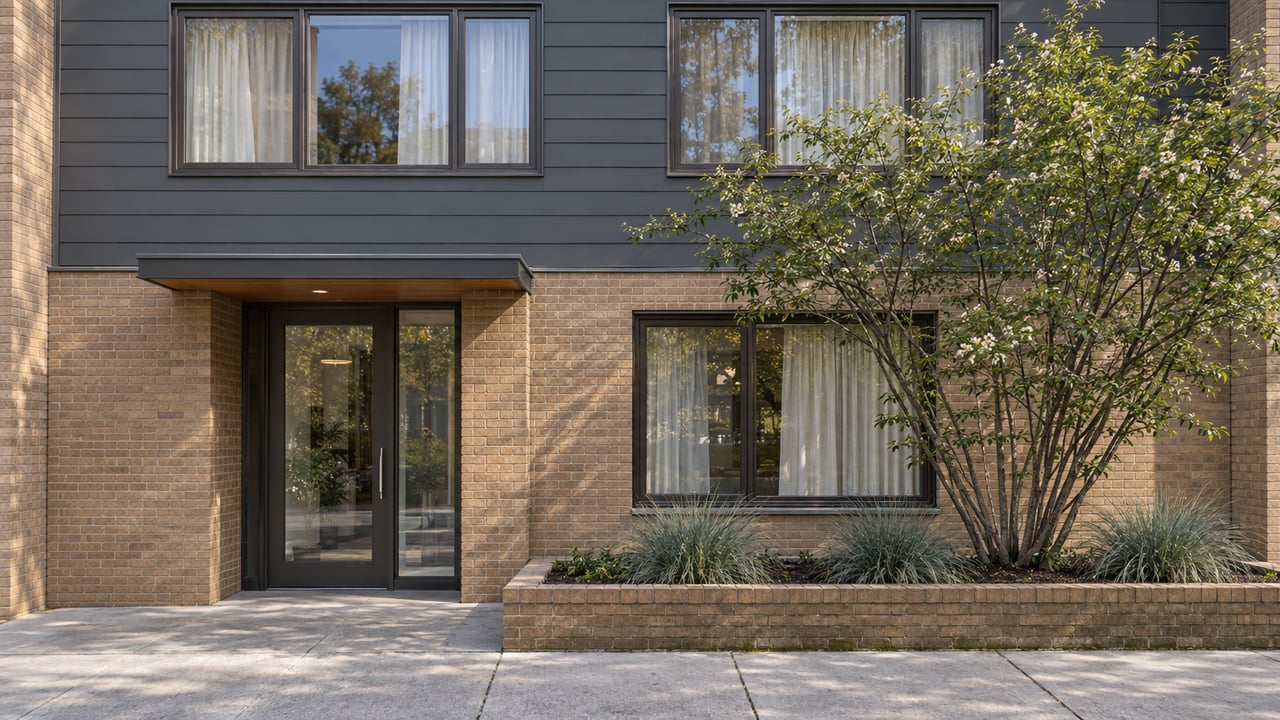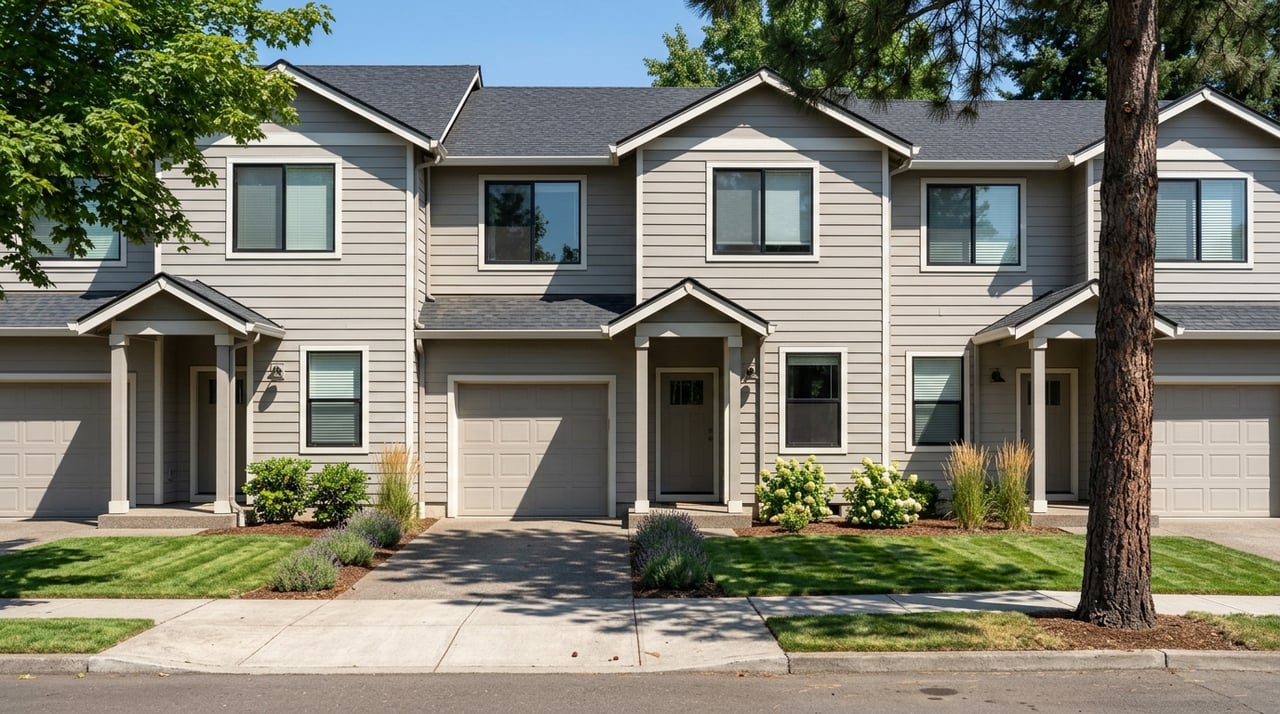
Wondering whether a condo or townhome in Spokane Valley is the right fit for your next move? You are not alone. For many buyers, attached living offers a practical way to reduce upkeep, stay close to everyday amenities, and often enter the market at a lower price point than a detached home. This guide will help you understand how condo and townhome living works in Spokane Valley, what to watch for, and how to decide which setup best matches your lifestyle. Let’s dive in.
Why attached living matters here
Spokane Valley has a real place for condos and townhomes within its housing mix. City housing materials include condominiums, multifamily housing, apartments, retirement communities, and town homes as part of the local landscape. The city also describes planned communities with features like wider streets, trails, and shared amenities, which helps explain why attached housing appeals to a range of buyers.
The city’s comprehensive plan points to two common groups drawn to this style of living. Some older residents want to downsize and reduce maintenance. Some younger buyers want flexibility and proximity to jobs, services, and amenities. In a largely suburban area where public transit is often concentrated along arterial corridors, location can make a big difference.
Price is another reason attached homes stand out. Spokane Valley’s housing market page cites a March 2026 Spokane REALTORS median residential sale price of $458,645, while Redfin reports a March 2026 median sale price of $420,000 across all home types in Spokane Valley. Redfin also shows condo listings around a $202,000 median list price compared with single-story home listings around $450,000, which helps show why condos and townhomes can feel like a more accessible option.
Where condos and townhomes show up
In Spokane Valley, attached homes are not spread evenly across the city. The city’s housing action plan says townhouses and cottages are permitted in R-4, MFR, MU, CMU, and Neighborhood Commercial districts, and it notes that only a limited number of townhomes have been developed so far. That helps explain why you are more likely to find these homes in specific corridor and infill areas rather than in every neighborhood.
The city’s comprehensive plan also identifies Sprague Avenue as part of the Sprague/Appleway Urban Transportation Corridor, an area intended to support multimodal travel and higher-density mixed-use development. In simple terms, that creates more room for attached housing in and around that corridor.
Current listings and community examples point to a few recurring pockets. Condo inventory often appears in areas such as Greenacres, Veradale, Opportunity, East Spokane, and Dishman. You may also see properties in places like Central Park on East 6th Avenue, Dishman Commons near East 16th Avenue, the Sprague and Olive corridor, and the Dishman Hills area.
Mirabeau Point is another useful location marker. The city says Mirabeau Point Park sits just north of I-90 and east of Pines Road, with CenterPlace, the YMCA, the Centennial Trail, and bus route 32 nearby. For buyers who want easier access to activity hubs and shared amenities, that east-central Valley area can be especially appealing.
Condo vs. townhome in Spokane Valley
The labels are not always as clear as you might expect. In Spokane Valley, some homes are marketed as townhomes because of their layout or appearance, but they are legally listed as condominiums. That distinction matters because the legal ownership structure, shared responsibilities, and association documents can affect your costs and rights.
A true townhome and a condo may look similar from the street. Both can offer attached living, smaller outdoor areas, and less exterior maintenance than a detached house. The difference often comes down to how ownership is recorded and how the association is set up.
That is why you should not rely on the marketing description alone. Instead, review the recorded ownership form and the HOA documents carefully so you know exactly what you are buying.
How HOA dues really work
HOA dues are a core part of condo and many townhome purchases. Under Washington law, common expenses are assessed through the association budget. Resale documents must disclose the monthly common expense assessment, any unpaid special assessments, and whether the association lacks a current reserve study.
That means your monthly dues are not just an extra line item. They are the funding tool for shared ownership and shared maintenance. In some communities, that can bring real convenience. In others, low dues may also mean the association has less room to handle major future repairs.
Washington law also says reserve studies are supplemental to the operating budget and may lead to future reserve contributions, borrowing, or special assessments if major components are underfunded. A small association may qualify for a reserve-study exemption or nominal-cost exception, so a low monthly fee does not always mean the community is financially strong.
What HOA dues may cover
Coverage varies by community, so it is important to ask for specifics. Spokane Valley listings show a wide range of what dues may include.
Some examples in current listings include:
- Water, sewer, and garbage
- Lawn maintenance
- Snow removal
- Common-area upkeep
- Recreation-area amenities
- Shared exterior features and grounds care
A Central Park condo, for example, lists a $247 monthly HOA and recreation-area features. Another condo at 12411 E Olive says the HOA covers water, sewer, garbage, common-area amenities, and lawn maintenance. A townhome-style condo at 11212 E 4th says the HOA covers common-area upkeep and snow removal.
Amenities you may find
One of the biggest lifestyle differences between attached homes and detached homes is the amenity mix. Older condo communities in Spokane Valley often emphasize shared amenities and exterior maintenance. Newer townhome-style communities often lean more toward attached garages, private outdoor space, and a more house-like setup.
Depending on the community, you may see amenities such as:
- Pools
- Clubhouses
- Hot tubs and saunas
- Gyms
- Playgrounds
- Recreation rooms
- Attached or covered parking
- Garages
- Patios
- Fenced yards
- In-unit laundry
- Community gardens
These features can add convenience and make day-to-day living easier. They can also influence your monthly dues, so it is worth balancing the amenities you will actually use against the total cost of ownership.
Who condo and townhome living suits best
Attached living tends to work best when your priorities center on convenience, predictability, and lower exterior maintenance. Spokane Valley’s comprehensive plan specifically notes that denser housing can help older residents who want to downsize and younger buyers who want access to amenities, jobs, and public transportation.
That often makes condos and townhomes a smart fit for buyers such as:
- First-time buyers looking for a lower entry point
- Downsizers who want less yard work
- Busy professionals who prefer a lock-and-leave lifestyle
- Buyers who value shared amenities or attached parking
The best fit is usually someone who wants fewer exterior chores and is comfortable with shared rules and shared costs. A less ideal fit is someone who wants full control over a yard, extra room for hobbies, RV storage, or no HOA restrictions.
How attached homes compare with detached homes
A condo or townhome is usually a tradeoff, not a downgrade. In many cases, you exchange some privacy and property control for lower-maintenance living and, depending on the community, better amenities.
The city’s planning documents describe these homes as a middle ground for households that want some of the feel of a single-family home while still benefiting from neighborhood amenities. That compromise can make a lot of sense, especially if your time, budget, or travel habits make exterior upkeep less appealing.
Here is a simple comparison:
| Feature | Condo or Townhome | Detached Home |
|---|---|---|
| Maintenance | Often reduced exterior upkeep | More owner responsibility |
| HOA | Usually present | May or may not exist |
| Amenities | May include shared features | Less common unless in planned community |
| Outdoor space | Typically smaller or shared | Usually more private |
| Price point | Often lower than broader market | Often higher |
| Flexibility | Good for lock-and-leave living | Better for buyers wanting autonomy |
In Spokane Valley, the decision often comes down less to the label and more to the specific association, budget, reserve position, location, and amenity package.
Questions to ask before you buy
Before you make an offer, it helps to look beyond the floor plan and finishes. The financial health and rules of the association can shape your experience just as much as the home itself.
Use this checklist as a starting point:
- What does the monthly HOA fee cover?
- Is there a current reserve study?
- Are any special assessments pending or likely?
- What are the parking rules?
- What are the pet rules?
- What are the rental rules?
- What exterior changes, if any, are allowed?
- Is the home legally a condo, a townhome, or a townhome-style condo?
These questions can help you compare communities more clearly and avoid surprises after closing.
A practical Spokane Valley takeaway
In Spokane Valley, condo and townhome living can be a very practical choice if you want a lower-maintenance home, a more approachable price point, or access to shared amenities in well-located pockets of the Valley. The market here is location-specific, and each community can function a little differently. That is why a careful review of the HOA structure, reserve position, and legal ownership form matters just as much as the property itself.
If you are weighing condos, townhomes, or detached homes in Spokane Valley, a tailored strategy can help you compare options with more confidence. The team at The Collection offers a concierge-level approach to Spokane-area home buying and selling, with thoughtful guidance to help you evaluate each opportunity clearly.
FAQs
What is the difference between a condo and a townhome in Spokane Valley?
- In Spokane Valley, the marketing label does not always match the legal ownership type, so you should confirm whether the property is legally recorded as a condominium, a townhome, or a townhome-style condo by reviewing the ownership documents and HOA materials.
Where are condos and townhomes most common in Spokane Valley?
- Attached homes often appear in corridor and infill areas, with examples in Greenacres, Veradale, Opportunity, East Spokane, Dishman, the Sprague and Olive corridor, Central Park, and parts of the east-central Valley near Mirabeau Point.
What do HOA dues usually cover for Spokane Valley condos and townhomes?
- Coverage varies, but local listing examples show HOA dues may include items like water, sewer, garbage, lawn care, snow removal, common-area upkeep, and access to shared amenities.
Are Spokane Valley condos cheaper than detached homes?
- Local market snapshots in the research report show condo listings around a $202,000 median list price and single-story home listings around a $450,000 median list price, which suggests attached homes often sit in a lower price band.
Who should consider buying a condo or townhome in Spokane Valley?
- These homes often suit first-time buyers, downsizers, and busy buyers who want less exterior maintenance, a lock-and-leave lifestyle, and access to amenities or attached parking.
What should you review before buying a Spokane Valley condo or townhome?
- You should review the HOA fee, what it covers, whether there is a current reserve study, any special assessments, the community’s rules on parking, pets, rentals, and exterior changes, and the property’s legal ownership form.