If you are drawn to Spokane’s South Hill, chances are you are not looking for a cookie-cutter house. You may want mature trees, established streets, and the kind of architectural detail that gives a home a story. Buying a historic South Hill home can be incredibly rewarding, but it also calls for careful planning, clear expectations, and thoughtful due diligence. Let’s dive in.
Why South Hill Feels Distinct
South Hill is not just one neighborhood. It is better understood as a group of connected neighborhoods, including Cliff-Cannon, Comstock, Lincoln Heights, Manito/Cannon Hill, Rockwood, and Southgate, shaped by walkability, access to downtown, and long-standing preservation of tree canopy and open spaces.
That broader setting helps explain why the area feels so established. In many parts of South Hill, you will find residential streets that were built around parks, boulevards, hillsides, and existing landscape features rather than around a modern subdivision template.
What “Historic” Can Mean on South Hill
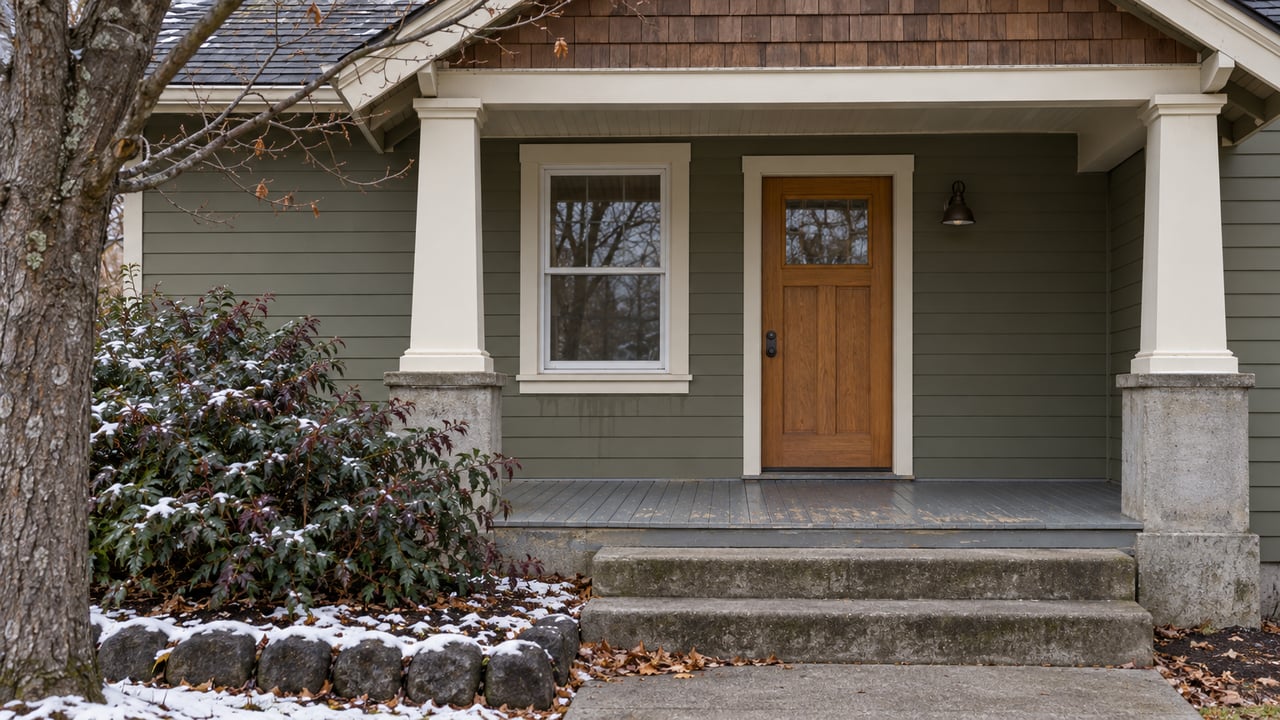
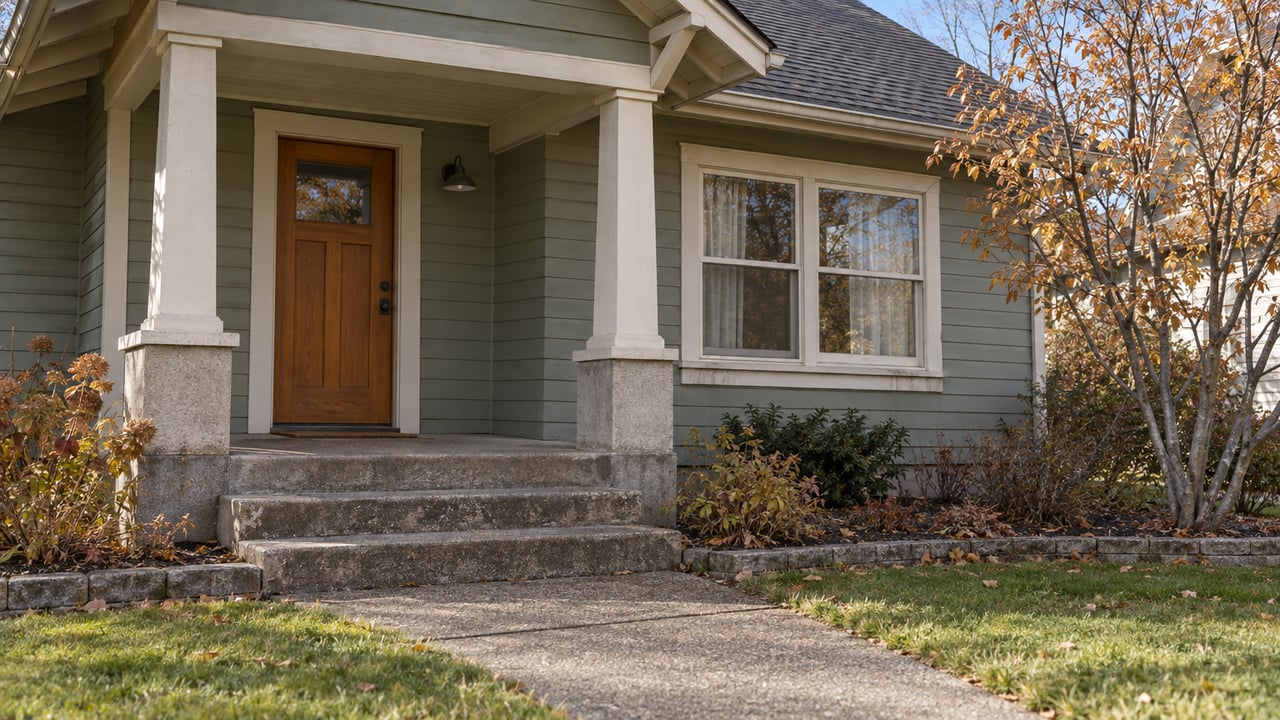
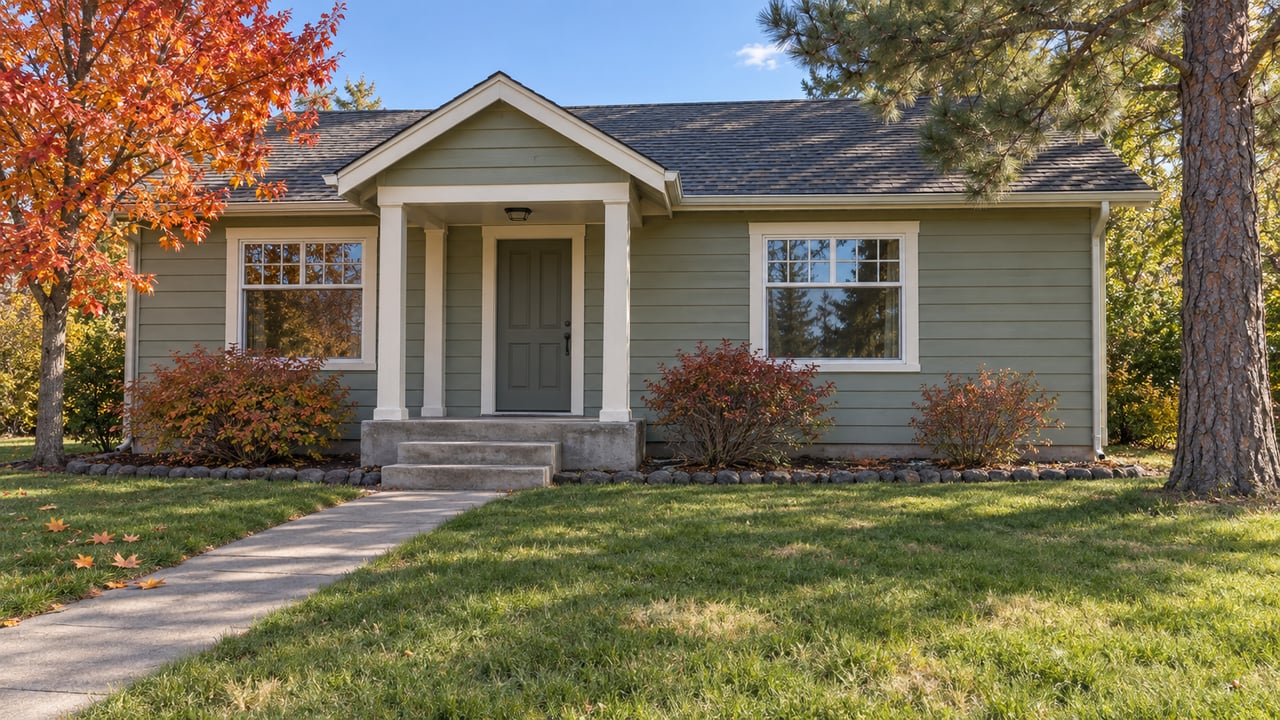
One of the most important things to know is that South Hill’s older housing stock is varied. A historic home here might be a large early 20th-century residence, a cottage, a bungalow, a Tudor Revival home, a Colonial Revival home, or a Craftsman.
In Rockwood, the neighborhood profile notes about 350 homes built over roughly half a century, with winding streets, hills, basalt outcroppings, and mature trees. Tudor Revival and Colonial Revival styles are especially common there, alongside smaller bungalows, cottages, Arts-and-Crafts homes, and some mid-century modern properties outside the core district.
In Cliff-Cannon, much of the neighborhood developed between about 1900 and 1925. The housing mix includes historic mansions, modest older homes, apartments, condominiums, and restoration projects, with styles that include Craftsman, Brick Tudor, Victorian, and later modern designs.
In Manito/Cannon Hill, the area grew with streetcars, parks, and boulevards and is described by the City as a classic early-20th-century neighborhood. Many homes are mid-sized single-family houses, and some later updates include detached garages because many original homes were built without them.
The takeaway is simple: a South Hill historic home is not one fixed product type. Even within the same general market, you may see grand homes, smaller cottages, postwar homes, and later infill sitting relatively close together.
What To Expect From the Property
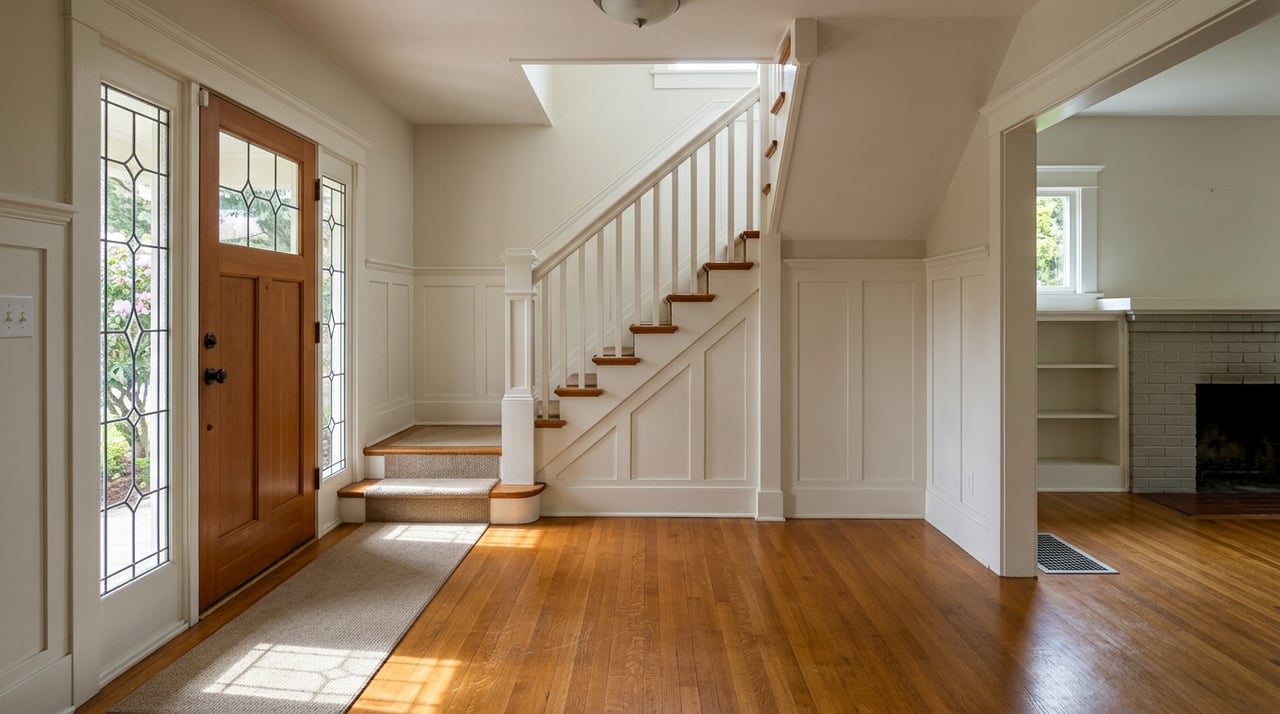
Older South Hill homes often come with charm that is hard to reproduce. You may see original craftsmanship, distinctive façades, mature landscaping, and floor plans that reflect a different era of homebuilding.
At the same time, these homes may be less standardized than newer construction. Because the area was shaped by hills, basalt, and older development patterns, some lots may be irregular, some streets may curve, and some properties may include retaining walls or yards designed around the site’s natural contours.
That means your purchase decision often comes down to more than curb appeal. You will want to understand which parts of the home are original, which parts have been updated, and whether those updates fit your goals, budget, and timeline.
Look Closely at Updates and Additions
With older homes, later changes matter. South Hill neighborhood profiles point to a mix of preserved homes, newer homes, apartments, condominiums, and postwar development, which is a reminder that many properties have evolved over time.
As you tour homes, pay attention to how the house functions today. Ask yourself whether kitchens, bathrooms, garages, windows, and mechanical systems feel integrated into the home or whether they reflect different phases of renovation.
This does not mean change is bad. In fact, many buyers want a balance of historic character and modern livability. The key is knowing what work has already been done and what may still need attention after closing.
Why a Standard Inspection Is Only the Start
A home inspection is important, but for an older South Hill home, it should not be your only layer of due diligence. Washington’s licensing guidance states that a home inspection is non-invasive and does not guarantee against future problems.
It also notes that inspectors check only a representative number of receptacles and windows, and they do not have to walk a roof they consider unsafe. For a newer home, that may still leave open questions. For an older home, it makes it even more important to understand the limits of the inspection process.
You may need to think beyond the general inspection and focus on the property’s age, systems, and site conditions. That is especially true if the home has older materials, visible signs of deferred maintenance, or a long history of additions and remodels.
Lead, Asbestos, and Renovation Planning
If you are buying an older home and plan to update it, lead and asbestos deserve early attention. The EPA states that homes built before 1978 have a good chance of containing lead-based paint, and renovation activities like sanding, cutting, and window replacement can create hazardous lead dust.
Washington Labor & Industries states that homeowners and contractors must identify asbestos before starting renovation, remodeling, repair, maintenance, or demolition when materials could be disturbed. For buyers, this is less about fear and more about planning.
If you know you want to remodel, it helps to factor testing, abatement needs, and project sequencing into your budget from the start. That can help you avoid surprises once work begins.
Permits Matter More Than Many Buyers Expect
For older homes, updates are often tied to systems rather than surface finishes. The City of Spokane states that work done under permit must be inspected for code compliance, including electrical, mechanical, plumbing, boiler, refrigeration, fuel, and gas work.
The City also states that electrical work requires a permit before wires, apparatus, or fixtures are installed or changed. Its residential permit resources also point homeowners toward common upgrade topics such as basement insulation, bathroom work, electrical panels, and smoke alarms.
For you as a buyer, this means it is worth reviewing visible upgrades with a practical eye. A beautiful finished basement or updated bathroom may still raise questions about when the work was done and whether permits were part of the process.
Historic Status Can Change the Rules
Not every older home is subject to historic design rules. Spokane’s Historic Preservation Office explains that properties listed on the Spokane Register are subject to design review, while National Register listing is a separate category with different management rules.
The office also notes that local historic district properties, including those in the Cannon Streetcar Suburb district, require a Certificate of Appropriateness when a building permit is sought. Normal maintenance or repair that does not change exterior appearance does not require design review.
This is one of the most important distinctions to understand before you buy. A home that is simply older may give you one level of flexibility, while a home that is individually listed or located within a local historic district may involve added review for exterior changes, demolition, or new construction.
The Cannon Streetcar Suburb District
For some South Hill buyers, the Cannon Streetcar Suburb district may come into play. The City described it in 2023 as Spokane’s sixth and largest local historic district.
According to the Historic Preservation Office, contributing or historic properties in the district may qualify for local property tax incentives and a façade improvement grant of up to $5,000. That can be a meaningful benefit, but it should always be weighed alongside the design-review requirements that may apply to certain exterior work.
Budget for the Site, Not Just the House
When buyers think about older homes, they often focus on the interior first. On South Hill, long-term ownership often starts with the site itself.
The neighborhood profiles repeatedly point to hills, basalt outcroppings, mature trees, and original landscape features. In practical terms, that means drainage, roof runoff, retaining walls, hardscape, and tree-root impacts may deserve a place in your maintenance planning.
Exterior upkeep can matter just as much as interior upgrades in this part of Spokane. The South Hill Coalition plan emphasizes pedestrian connections, greenways, tree canopy, and open space, which helps explain why the surrounding landscape is such a visible part of ownership here.
A Smart Ownership Strategy
If you buy a historic South Hill home, it helps to think in phases. In many cases, the most sensible order is safety first, then code-compliant system upgrades, then preservation-minded cosmetic improvements.
Spokane’s design-review guidance states that historic features should be repaired rather than replaced when possible, and that new work should remain compatible with a property’s historic materials, scale, and proportions. Even if your home is not subject to formal design review, that principle can be a useful guide.
This kind of property is often best approached as a long-term stewardship project rather than a one-time transformation. You may handle one round of safety updates, then a later round of mechanical work, and only after that move into slower restoration choices that preserve character.
How To Buy With Confidence
The best South Hill purchases usually happen when emotion and due diligence work together. It is completely reasonable to fall in love with original millwork, established streets, and the feel of a neighborhood that has grown over generations.
It is also wise to pair that excitement with a clear review of condition, permits, possible historic designation, and likely maintenance needs. When you understand both the charm and the complexity, you can make a decision that feels informed instead of rushed.
A historic South Hill home can offer architectural identity, strong neighborhood character, and a setting that feels hard to replicate. The right purchase is usually the one where the home’s story, current condition, and your plans for ownership all line up.
If you are considering a historic home on Spokane’s South Hill, The Collection offers a concierge-style, locally grounded approach to help you evaluate options, navigate the details, and move forward with clarity.
FAQs
What types of historic homes can you find on Spokane’s South Hill?
- South Hill includes a wide mix of older homes, including Tudor Revival, Colonial Revival, Craftsman, Victorian, cottages, bungalows, and some later mid-century modern homes depending on the neighborhood.
What should buyers expect from older South Hill lots and streets?
- Because many South Hill neighborhoods were shaped by hills, basalt, and early development patterns, you may see curving streets, irregular lot shapes, retaining walls, and yards designed around the natural site.
What does a Washington home inspection cover for an older Spokane home?
- Washington states that a home inspection is non-invasive, checks only a representative number of some items like receptacles and windows, and does not guarantee against future problems.
What renovation hazards matter in a historic South Hill house?
- For older homes, lead-based paint and asbestos are key concerns to evaluate before renovation work begins, especially when materials may be sanded, cut, repaired, or removed.
What permits are often relevant when updating an older Spokane home?
- The City of Spokane states that many types of system work may require permits and inspections, including electrical, mechanical, plumbing, boiler, refrigeration, fuel, and gas work.
What historic-district rules should South Hill buyers check before buying?
- Buyers should confirm whether a property is simply old, individually listed on the Spokane Register, or located in a local historic district, because those designations can affect exterior changes and permit-related review.
What is the Cannon Streetcar Suburb district in Spokane?
- It is a local historic district adopted in 2023, and the Historic Preservation Office says contributing or historic properties there may qualify for local property tax incentives and a façade improvement grant of up to $5,000.
What should you budget for first in a historic South Hill home?
- A practical first focus is often site and safety needs, such as drainage, retaining walls, roof runoff, and essential system updates, before moving on to more cosmetic restoration work.