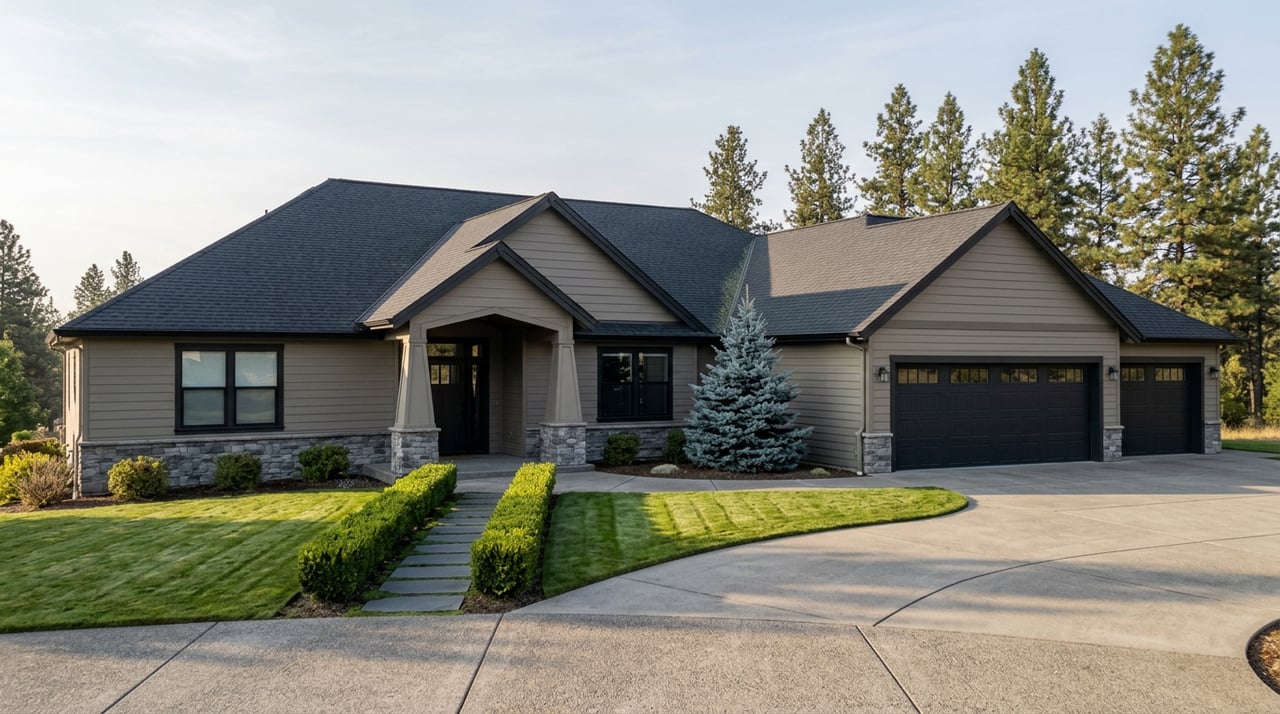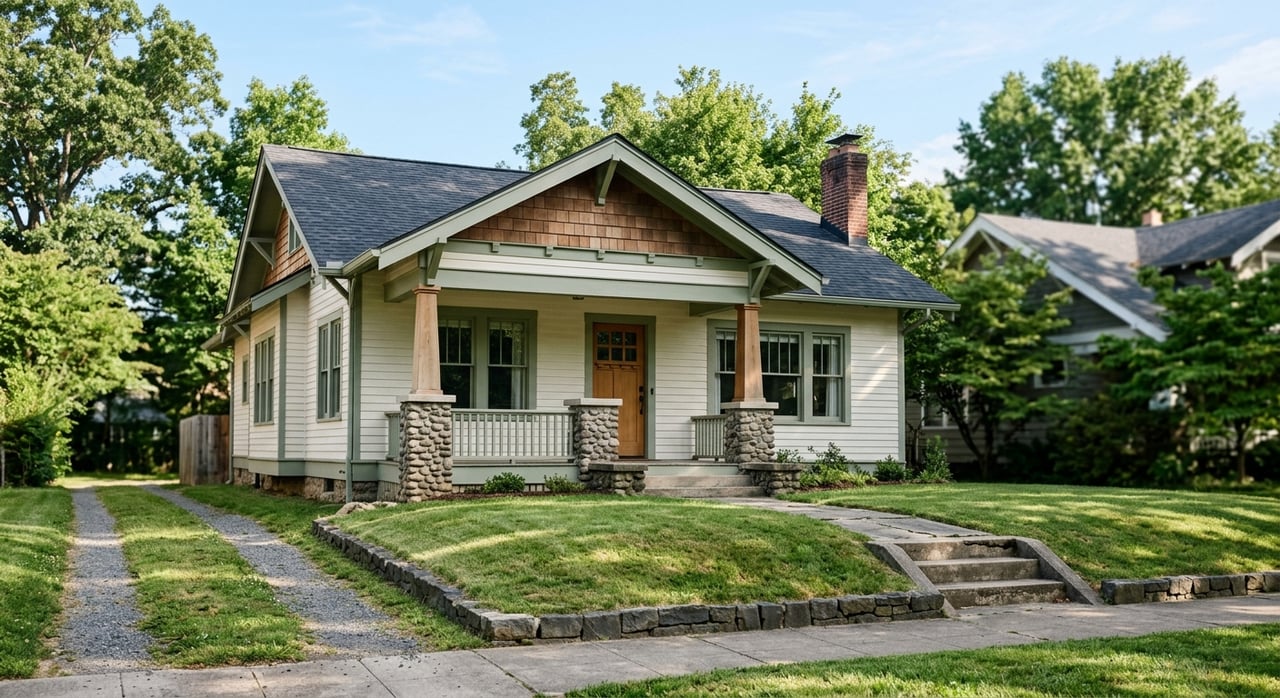
If you have ever driven Spokane’s South Hill and thought, Why does every block feel a little different? you are noticing one of the area’s biggest draws. South Hill is not defined by one look or one era. Instead, it is a layered collection of neighborhoods shaped by parks, streetcar-era growth, steep basalt terrain, and decades of homebuilding. If you are trying to understand what gives this part of Spokane its character, this guide will help you spot the styles, understand where they tend to cluster, and see how architecture helps define the experience of living here. Let’s dive in.
Why South Hill Feels So Distinct
South Hill is best understood as a group of neighborhoods rather than one uniform district. The City of Spokane’s South Hill Coalition includes Cliff Cannon, Comstock, Lincoln Heights, Manito/Cannon Hill, Rockwood, and later Southgate, each with its own rhythm and residential pattern.
What ties these areas together is the setting. City neighborhood profiles connect South Hill’s development to parks, boulevards, streetcar lines, views, and rock outcroppings. Manito Park, officially established in 1904, remains a major visual anchor with 78 acres of native and cultivated landscape and another 20 acres of botanical gardens.
That physical setting matters when you look at the homes. Mature trees, sloping streets, and basalt topography create a shared visual language across the hill, even when the architecture shifts from bungalow to Tudor to mid-century modern.
The Big Architectural Story
If you want a simple way to think about South Hill’s architecture, break it into three broad pockets. Manito/Cannon Hill offers many of the classic bungalow and revival-era streetscapes people picture when they think of older South Hill homes. Cliff-Cannon and Marycliff-Cliff Park bring some of the most dramatic and architecturally expressive historic homes. Rockwood blends earlier revival styles with larger lots, curving streets, and later custom homes, including notable mid-century examples.
That means you are not looking at a single style district. You are looking at a neighborhood cluster where planning, landscape, and topography create continuity while the homes themselves show a wider range of design influences.
Manito and Cannon Hill Styles
Around Manito Park and Cannon Hill, the housing stock is largely early-20th-century single-family homes. City records describe the area as having mature trees, alley access, and basalt outcroppings, which all contribute to a streetscape that feels settled and textured.
Architecturally, this area includes Colonial, Tudor, Mission, Spanish Eclectic, Arts & Crafts, Prairie, Craftsman bungalows, and Tudor Revival cottages. That variety gives many streets a layered feel, but the homes still read as cohesive because they share similar age, scale, and relationship to the landscape.
For many buyers, this is where South Hill’s classic charm feels easiest to recognize. The documented presence of Craftsman bungalows is especially important here, including the 1927 Zabel House on South Manito Boulevard, which is cited as a textbook Craftsman bungalow.
What Craftsman Homes Look Like
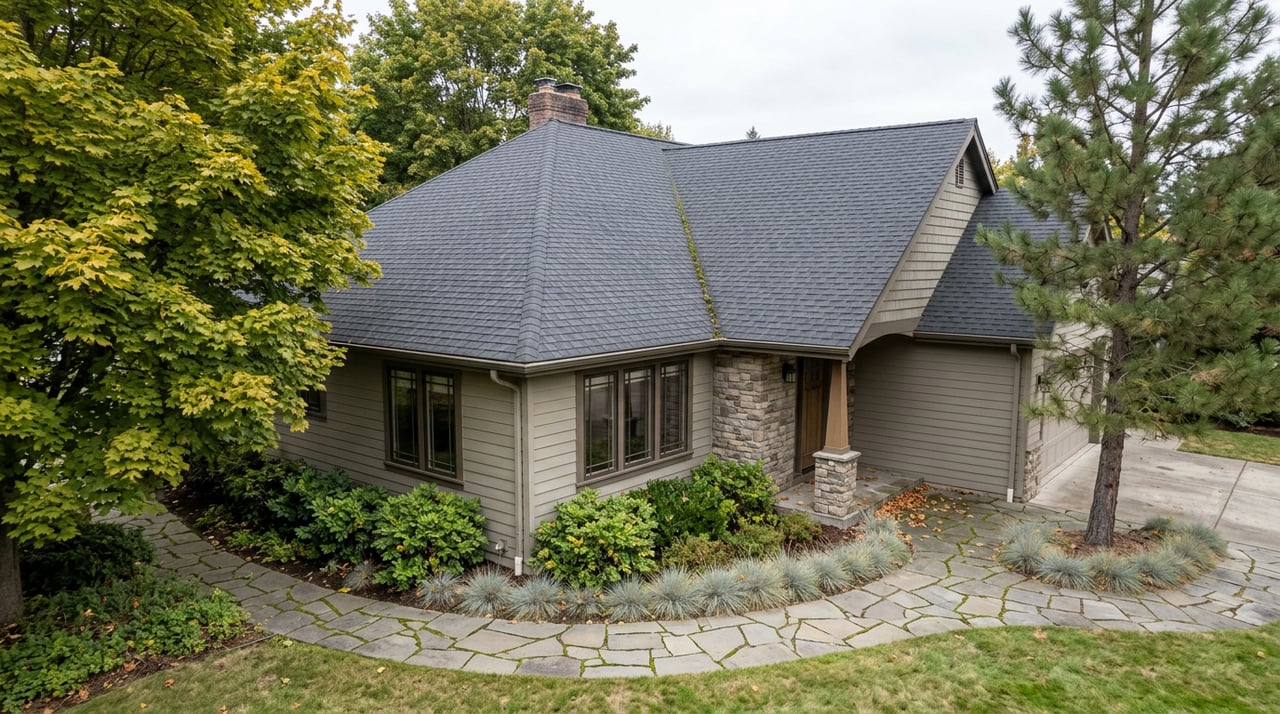
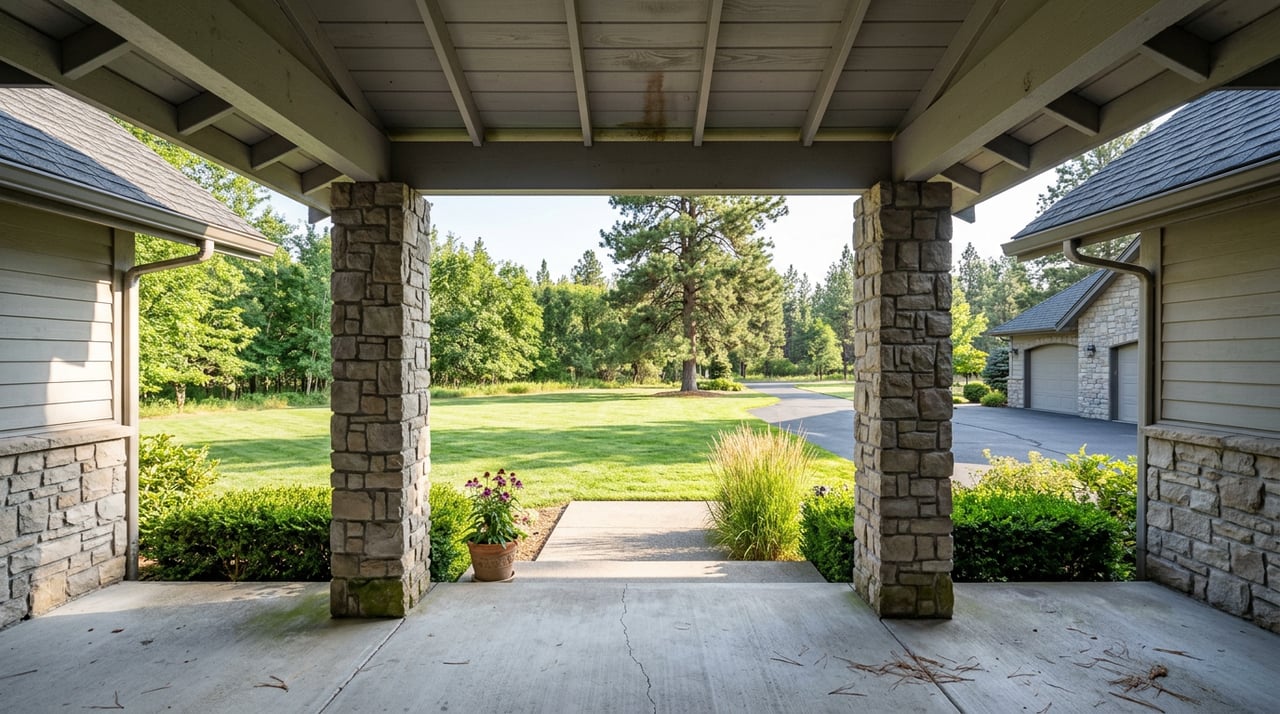
Craftsman and bungalow homes are known for practical, handcrafted details. On South Hill, common features include low-pitched roofs, deep eaves, exposed rafters, tapered porch columns, built-ins, and natural materials such as wood, basalt, or clinker brick.
These homes often feel grounded and approachable. Their proportions, front porches, and connection to the lot make them especially appealing if you value character without excess ornament.
Other Styles Near Manito Park
The Manito/Cannon Hill area is not only about Craftsman homes. City records also document Tudor, Colonial, Mission, Spanish Eclectic, and Prairie-style houses, which means you may see one block with cottage-like rooflines and another with broader, more horizontal forms.
That mix is part of the appeal. If you are drawn to park-oriented living and a varied early-20th-century streetscape, this pocket offers a strong concentration of those qualities.
Cliff-Cannon and Marycliff-Cliff Park
Lower South Hill has a more eclectic and more architect-driven feel. Historic Spokane describes Marycliff-Cliff Park as a residential area for prominent Spokane citizens that became a showplace of architectural styles.
The Cliff Cannon neighborhood profile lists Craftsman, Brick Tudor, Victorian, and other modern designs. In practical terms, that means this part of South Hill can feel more dramatic, with a wider swing between large statement homes and more modest historic residences.
The neighboring Ninth Avenue Historic District reinforces that mix. It stretches from Queen Anne to modest bungalow, showing that lower South Hill includes both high-style homes and more middle-scale housing from the same broad era of development.
Signature Revival Styles on Lower South Hill
Several landmark homes help illustrate the architectural range here. The Nuzum House is Tudor Revival, the McCroskey House is Spanish Colonial Revival, and the Dill House is Spanish Eclectic.
If you enjoy homes with a strong design identity, this area stands out. Rather than one dominant formula, you get a neighborhood where different revival styles sit side by side and create a richer visual experience.
How to Spot Tudor Revival
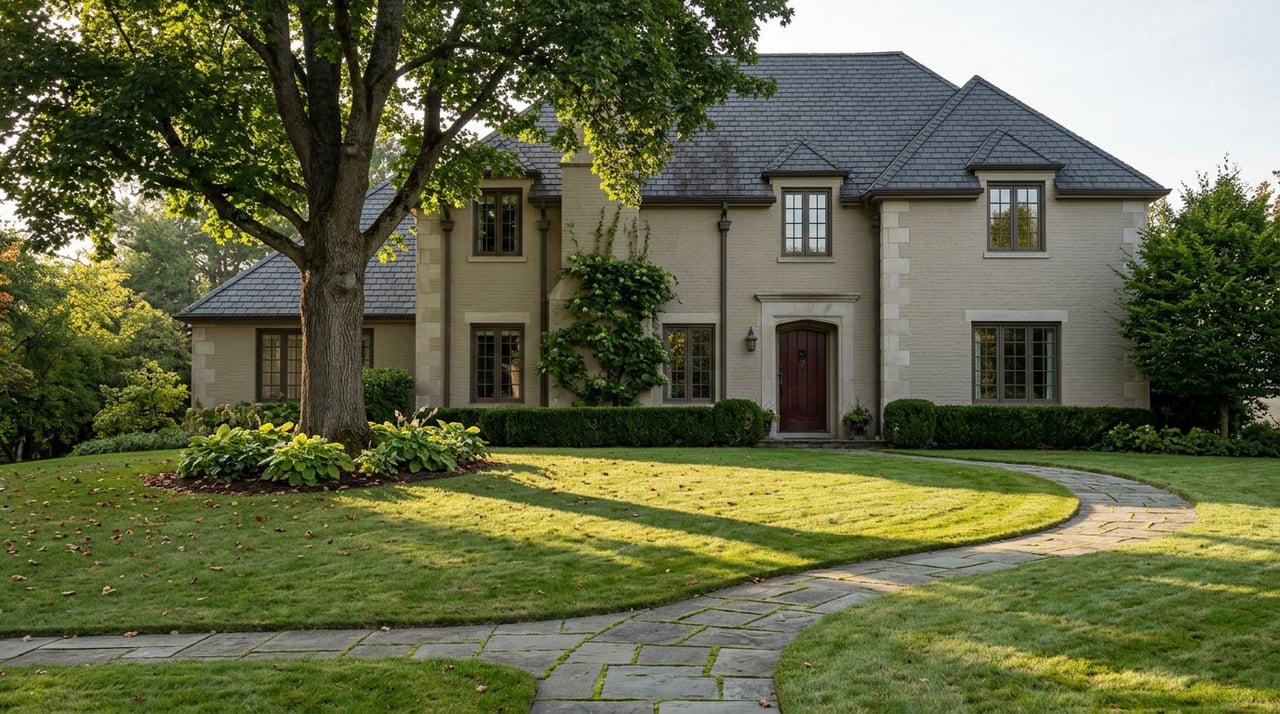
Tudor Revival homes are one of the clearest style markers on South Hill. Typical features include steep gables, half-timbering or cat-slide roof forms, and textured brick or stucco.
These homes often feel storybook-like from the street, but they also carry a strong sense of craftsmanship. On South Hill, Tudor Revival is especially well represented in Marycliff-Cliff Park and also appears in Manito/Cannon Hill.
How to Spot Spanish-Influenced Homes
Spanish Eclectic and Spanish Colonial Revival homes add another layer to South Hill’s design story. Common cues include stucco walls, arches, and Mediterranean-style massing.
On lower South Hill, these homes stand out because they break from the wood-and-brick look often associated with Northwest residential streets. They add warmth, texture, and a different architectural rhythm to the neighborhood mix.
Rockwood’s Distinctive Character
Rockwood has a noticeably different feel from other South Hill pockets. The Rockwood Historic District was laid out by the Olmsted Brothers and is defined by steep slopes, basalt outcroppings, curving streets, and green spaces.
That planning legacy affects how the architecture is experienced. Homes here often feel more integrated into the terrain, and the neighborhood’s layout creates a softer, more winding streetscape than a standard grid.
Within the historic district, Tudor Revival and Colonial Revival predominate. Adjoining numbered streets include smaller bungalows and cottages, while the broader neighborhood profile also notes early-20th-century Arts & Crafts bungalows and custom-designed mid-century modern homes outside the district.
Colonial Revival and Prairie Notes
Rockwood is where Colonial Revival is especially prominent. These homes tend to read as more formal and symmetrical than many bungalow forms, which gives parts of the neighborhood a distinct visual tone.
Prairie-style homes are also documented in the Cannon Hill-Manito Park area. While not the most common style discussed on South Hill, they contribute to the broader early-20th-century design range found across the area.
Mid-Century Modern on South Hill
If you think South Hill is only about prewar homes, Rockwood adds another chapter. The Joel E. Ferris II House, completed in 1955, is a local mid-century modern benchmark.
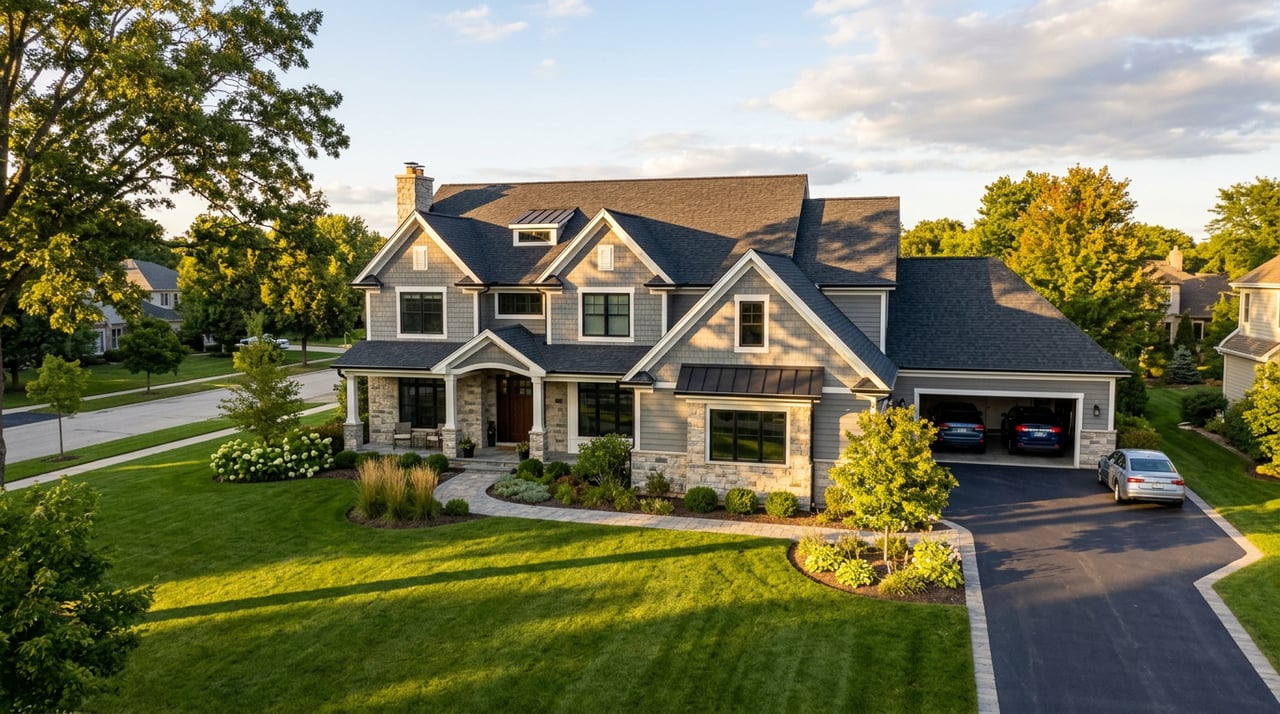
Mid-century modern and International Style homes are generally easier to identify by their flat roofs, broad glazing, and reduced ornament. Because many Rockwood lots remained vacant until later in the 20th century, the upper hill is where later custom homes and postwar infill are more likely to appear.
What Design-Minded Buyers Should Notice
If you care about architecture, South Hill rewards slower looking. The style itself matters, but so does how the home sits on the lot, how the street curves or climbs, and how trees, stone, and parks shape the view.
A helpful shorthand is this:
- Manito/Cannon Hill for classic bungalow-and-revival streetscapes
- Cliff-Cannon and Marycliff-Cliff Park for the most dramatic historic architecture
- Rockwood for larger-lot, view-oriented streets where revival styles meet mid-century and later custom homes
Across all three, the unifying theme is not one architectural formula. It is the way mature trees, basalt terrain, and park-oriented planning create a sense of place.
Why Architecture Matters in Your Search
Architecture can shape more than curb appeal. It often influences layout, materials, maintenance expectations, natural light, porch and yard relationships, and the overall feel of daily life in a home.
When you understand South Hill’s style pockets, you can search more clearly. You may find that you are less focused on square footage alone and more interested in whether you want a Craftsman bungalow near park-oriented streets, a dramatic Tudor or Spanish-influenced home on lower South Hill, or a custom home experience in Rockwood.
That kind of clarity can make your home search feel more curated and more efficient. It helps you compare homes based on character and context, not just price and bedroom count.
If you are thinking about buying or selling on Spokane’s South Hill, a local, design-aware strategy can make all the difference. The team at The Collection offers a concierge-level approach grounded in deep Spokane knowledge, thoughtful guidance, and a tailored plan for your goals.
FAQs
What architectural styles are common on Spokane’s South Hill?
- South Hill includes Craftsman bungalows, Tudor Revival, Colonial Revival, Mission, Spanish Eclectic, Spanish Colonial Revival, Prairie, Victorian, and some mid-century modern homes, depending on the neighborhood pocket.
Where can you find Craftsman homes on Spokane’s South Hill?
- Craftsman and bungalow homes are especially common in Manito/Cannon Hill, where early-20th-century housing, mature trees, and park-linked streets define much of the area.
Which South Hill neighborhood has the most dramatic historic homes?
- Cliff-Cannon and Marycliff-Cliff Park are the strongest fit if you are looking for architecturally expressive historic homes and a wide mix of revival styles.
What makes Rockwood architecture different from other South Hill areas?
- Rockwood stands out for its Olmsted Brothers layout, curving streets, steep slopes, basalt outcroppings, larger lots, and a mix of Tudor Revival, Colonial Revival, bungalows, and later custom mid-century homes.
How can you identify a Tudor Revival home on Spokane’s South Hill?
- Look for steep gables, half-timbering or cat-slide roof forms, and textured brick or stucco, which are common Tudor Revival features documented in several South Hill areas.