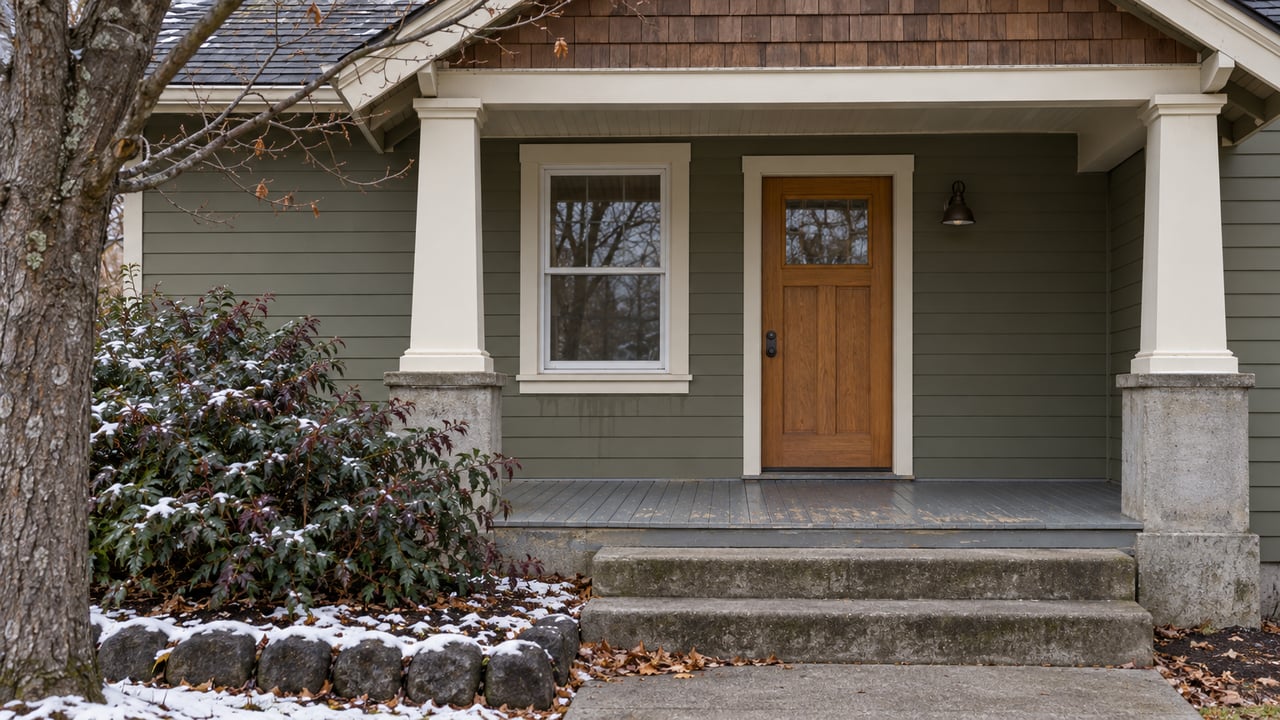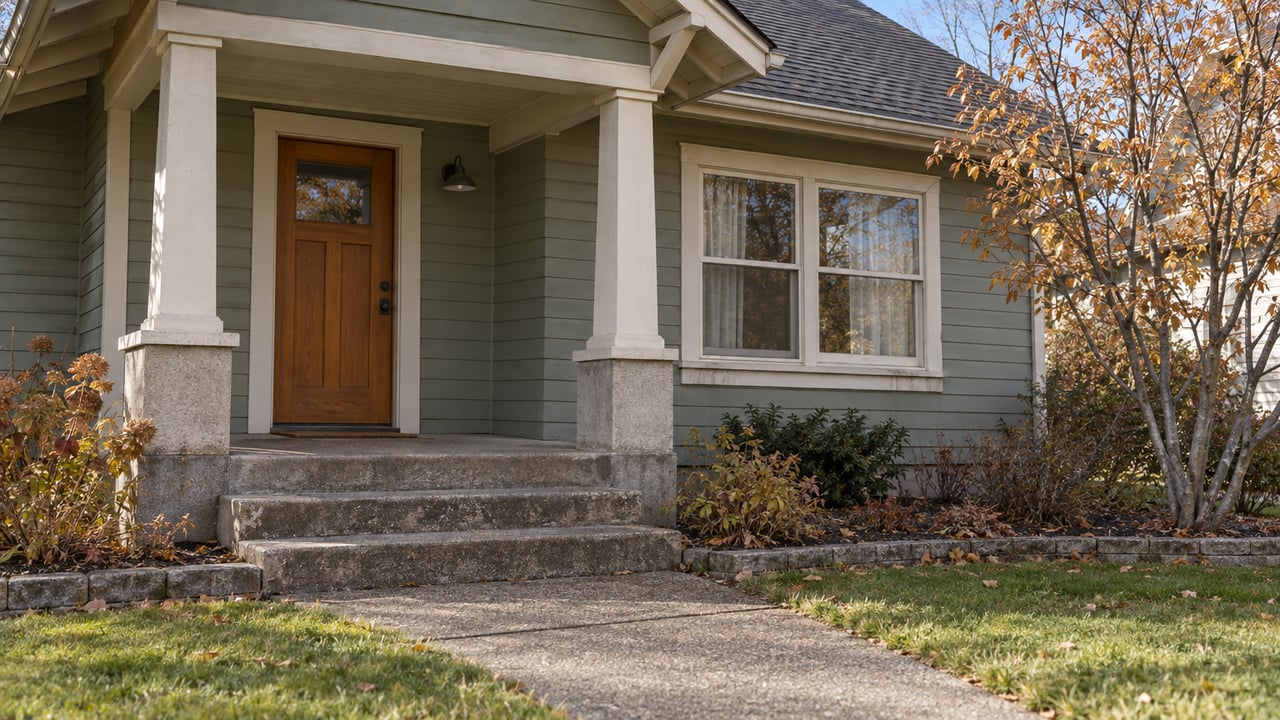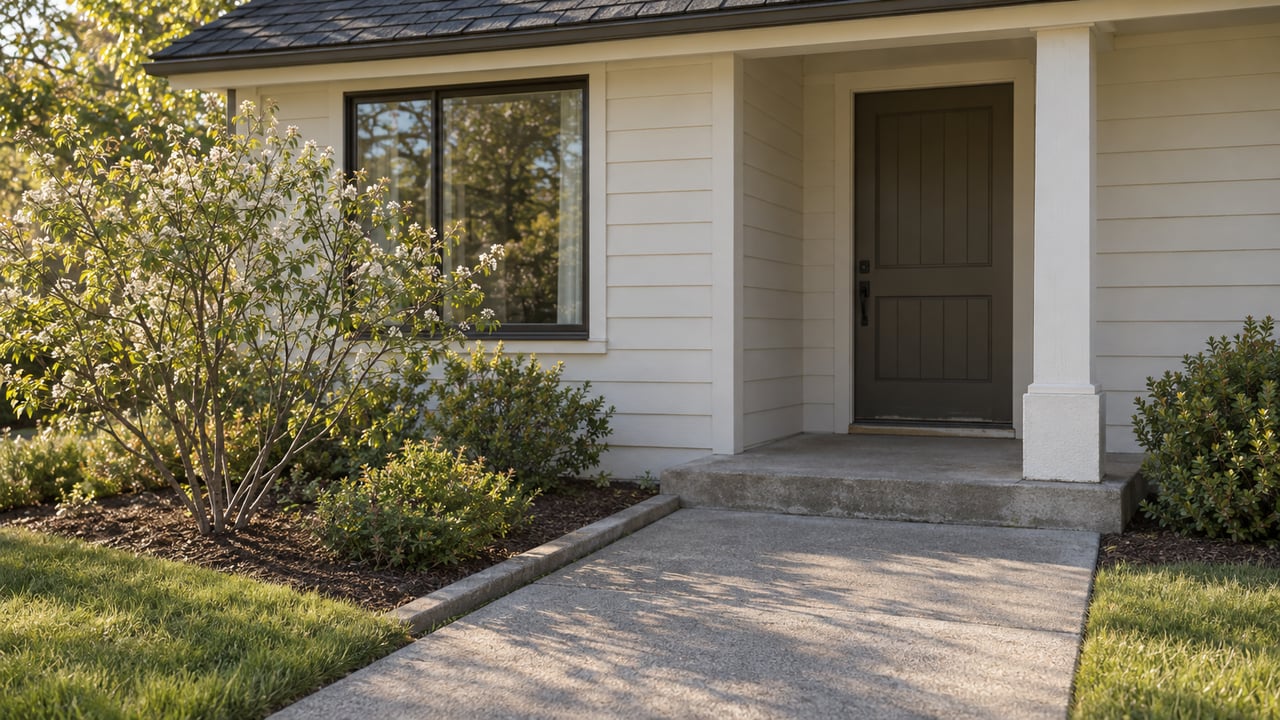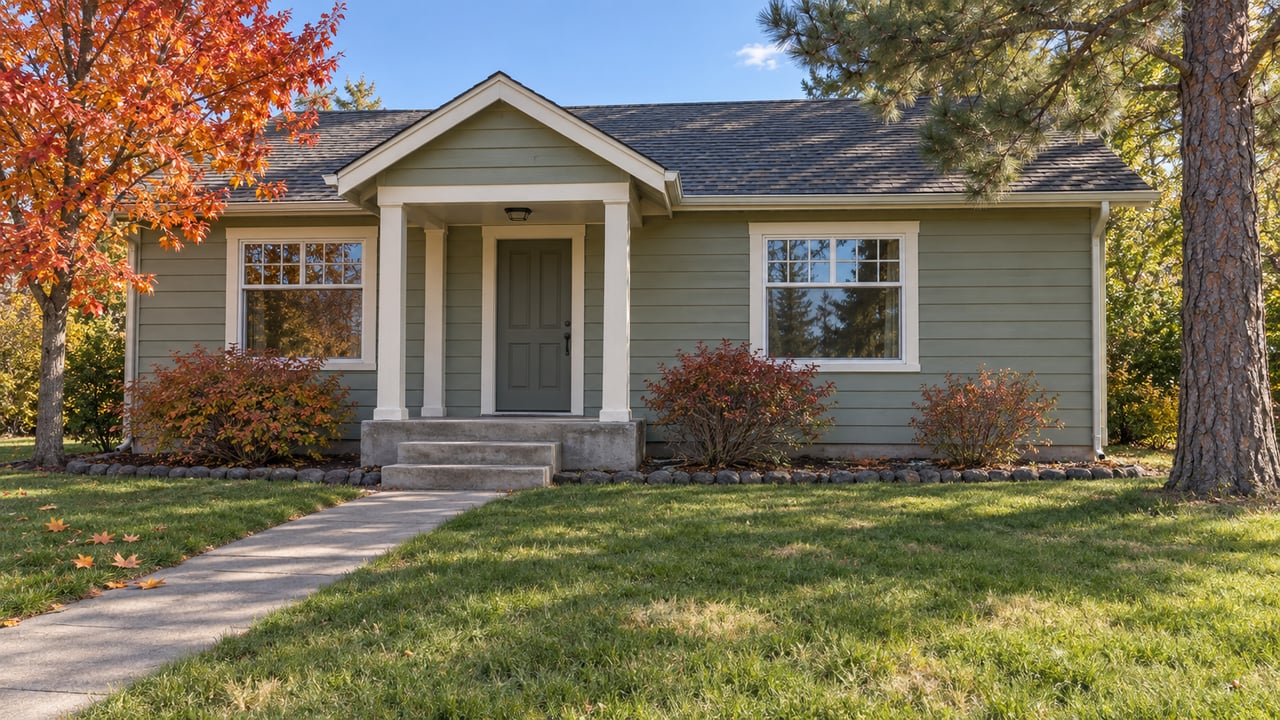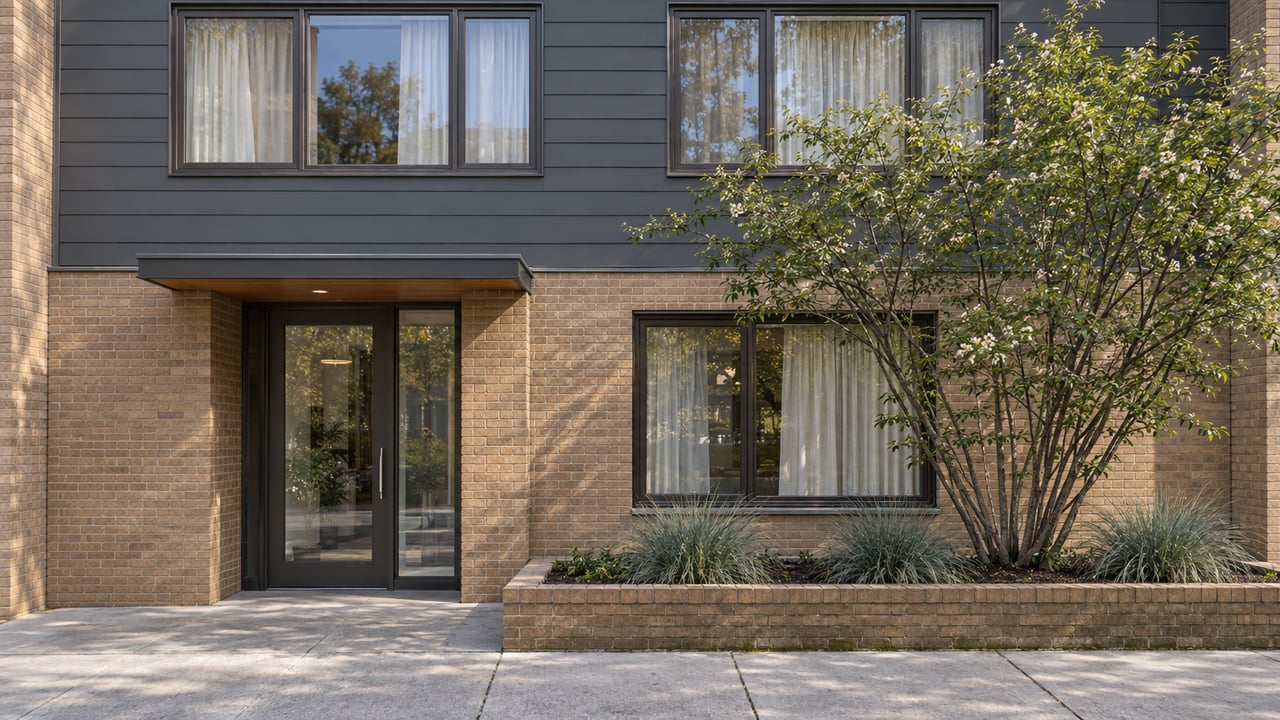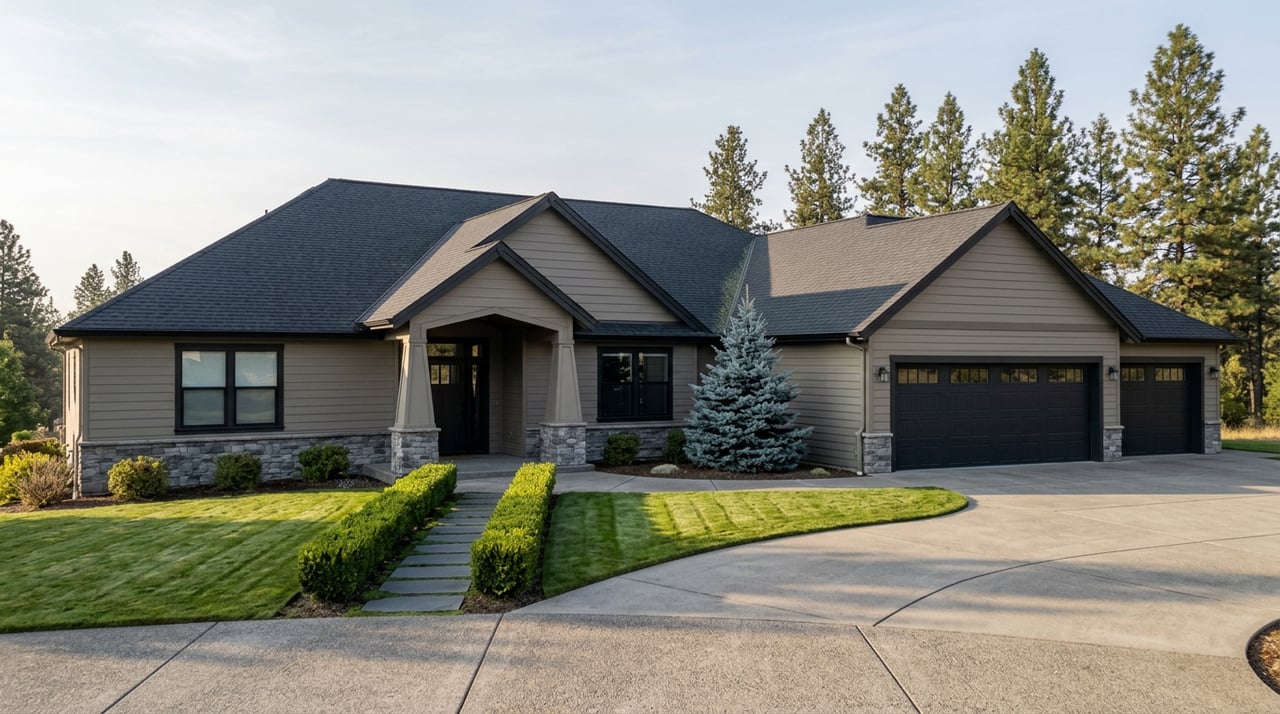
Two listings, a mile apart, both in North Spokane, both priced within a few thousand dollars of each other. One backs up to a stretch of the North Spokane Corridor where traffic has been flowing since November 2023. The other sits closer to Chief Garry Park, where the ground is currently full of new concrete piers and the nearest usable exit is still years away. A buyer comparing those two homes on price per square foot alone is comparing two different bets without knowing it.
That is the thing about a freeway project that has been under construction, in one form or another, since 2001. It does not affect a neighborhood evenly. It affects specific parcels differently depending on which mile marker they sit near and how far that mile marker is from actually connecting to anything.
Seven miles work. 3.5 don't yet.
The North Spokane Corridor is a 10.5-mile freeway meant to link Interstate 90 on the south end to U.S. Route 2 and U.S. Route 395 near Wandermere on the north. As of this year, seven of those miles are open and carrying traffic, mostly the northern half between Wandermere and the Wellesley Avenue interchange. The remaining 3.5 miles, running south from Wellesley through the Spokane River crossing and down toward Mission and Sprague avenues, are where the active construction is now.
That distinction matters more than "near the corridor" as a phrase suggests. A home near the finished seven miles is near a functioning freeway. A home near the unfinished 3.5 is near a construction site with an uncertain number of years left on it, and the two are not interchangeable just because they share a zip code.
The segment that's about to pay off
The next real milestone is the section from Wellesley Avenue to Trent Avenue. WSDOT is building a half interchange there, a new northbound on-ramp, a southbound off-ramp, and a roundabout, and that segment is scheduled to open to vehicle traffic once the interchange work wraps up in late 2028, according to reporting from the Spokane Journal of Business in March 2026. Building the roundabout will require closing Trent Avenue between North Fiske Street and East Desmet Avenue for 45 days at some point during construction, a detail WSDOT flagged well ahead of time so nearby residents and commuters can plan around it.
The engineering involved gives some sense of scale. Where the corridor crosses Freya Street, the roadway reaches roughly 44 feet in the air, with 21 feet of clearance for southbound traffic underneath and 17 feet for northbound. Farther north, above Wandermere Road, the structure peaks at about 80 feet. The girders that carry those elevated sections are precast at a Knife River Corp. plant in Newman Lake and trucked in for installation, a manufacturing detail that explains why progress sometimes looks like nothing is happening for months and then a whole section of elevated roadway appears within a couple of weeks.
For a buyer, the practical question is not "is this near the corridor." It is "which side of Wellesley to Trent is this parcel on, and is that segment counting down to 2028 or already living in it."
The neighborhood absorbing the disruption now
Not every North Spokane resident near the corridor is waiting on a future benefit. Some are living through the cost of it today. Santiago Rodríguez-Anderson, chair of the Chief Garry Park Neighborhood board, told the Spokesman-Review in April 2026 that residents have mixed feelings about the freeway passing through their area. Some expect shorter commute times once it's done. Others worry that the piers holding up the elevated roadway will attract the kind of behavior that shows up under overpasses in other cities. Mostly, in the meantime, it's loud and it snarls traffic.
His summary of the moment was direct: everyone would be happier if it just got finished faster.
That is the honest state of things for anyone whose home sits along the Mission-to-Alki construction zone right now, a roughly one-mile stretch priced at $224 million and part of what WSDOT has called Eastern Washington's most expensive transportation project to date. If your listing is in that zone, you are not buying proximity to a working freeway. You are buying proximity to a construction site with a firm price tag and a schedule that has already slipped once, thanks to a labor strike in 2025 that delayed the Spokane River crossing by roughly a year.
The funding question is settled. The finish-line question isn't.
For years, the honest answer to "will this ever get built" was "maybe." That's no longer the case. WSDOT told state senators in February 2026 that roughly $650 million in construction has already been completed, and the legislature added another $276 million that same session to cover cost escalation on the remaining work. State transportation leaders from both parties told reporters in January 2026 they consider the project fully funded and on track. The money question, in other words, is resolved.
The timing question is messier, and worth being straightforward about rather than picking a single number to sound authoritative. WSDOT's own spokespeople have used more than one completion year in public statements this year: some pointed to late 2030 for the corridor's mainline, others to "the early 2030s." Separately, the final piece, the actual interchange connecting the corridor to I-90 at the south end, isn't expected to begin construction until 2027 and won't be finished until sometime in the early 2030s on its own timeline, according to WSDOT's project page for that specific segment.
That means "the corridor is done" and "the corridor connects all the way to I-90" are two different milestones with two different dates, and a homeowner near the southern end should not assume the freeway will be fully useful to them the moment the mainline opens.
What this means if you're pricing two North Spokane listings against each other
A median price for "North Spokane" flattens all of this into one number. It cannot tell you whether a given address is a mile from a freeway that's carried traffic for three years or a mile from a construction zone that still has a multi-year clock on it. That distinction is exactly the kind of local detail that doesn't show up on a listing sheet but shows up immediately if you drive the block.
Before writing an offer on anything near the corridor, it's worth finding out:
- Which segment is the parcel actually near: the open seven miles, the Wellesley-to-Trent section targeting late 2028, or the Mission-to-Alki construction zone that's active right now
- Whether the property fronts the corridor directly or is buffered by the Children of the Sun Trail or other green space, which changes both noise exposure and long-term visual impact
- What WSDOT's current closure schedule looks like for that stretch, since planned closures like the 45-day Trent Avenue work are published in advance and worth checking before a purchase, not after
- Whether the seller has factored construction noise or the freeway's eventual arrival into their asking price, since a home priced as if the corridor doesn't exist yet may reprice once a segment opens nearby
- Whether nearby comparable sales reflect a similar stage of construction, since a home that sold two years ago near an active pier site isn't a clean comp for a listing near a segment that's since opened
None of this shows up in a median. It shows up in knowing which mile marker you're standing near and what WSDOT has scheduled for it next.
If you're weighing a North Spokane purchase against the backdrop of a freeway project that's still very much in motion, The Collection can walk the specific block with you, check what's actually scheduled for that segment, and help you understand what you're really pricing in before you make an offer. Reach out for a complimentary consultation and home valuation.