Wondering what daily life in North Spokane actually feels like? The answer depends on which pocket neighborhood you land in. From older grid streets near long-established neighborhood centers to newer hillside areas with larger lots and open-space access, North Spokane offers more than one version of everyday living. If you are trying to picture your routine here, this guide will help you understand how the north side works day to day. Let’s dive in.
North Spokane Feels Like A Collection Of Pockets
North Spokane is not one uniform lifestyle area. City planning materials describe it as a mix of older streetcar-era neighborhoods, mid-century development, and newer fringe growth, which means your day-to-day experience can change quite a bit from one area to the next.
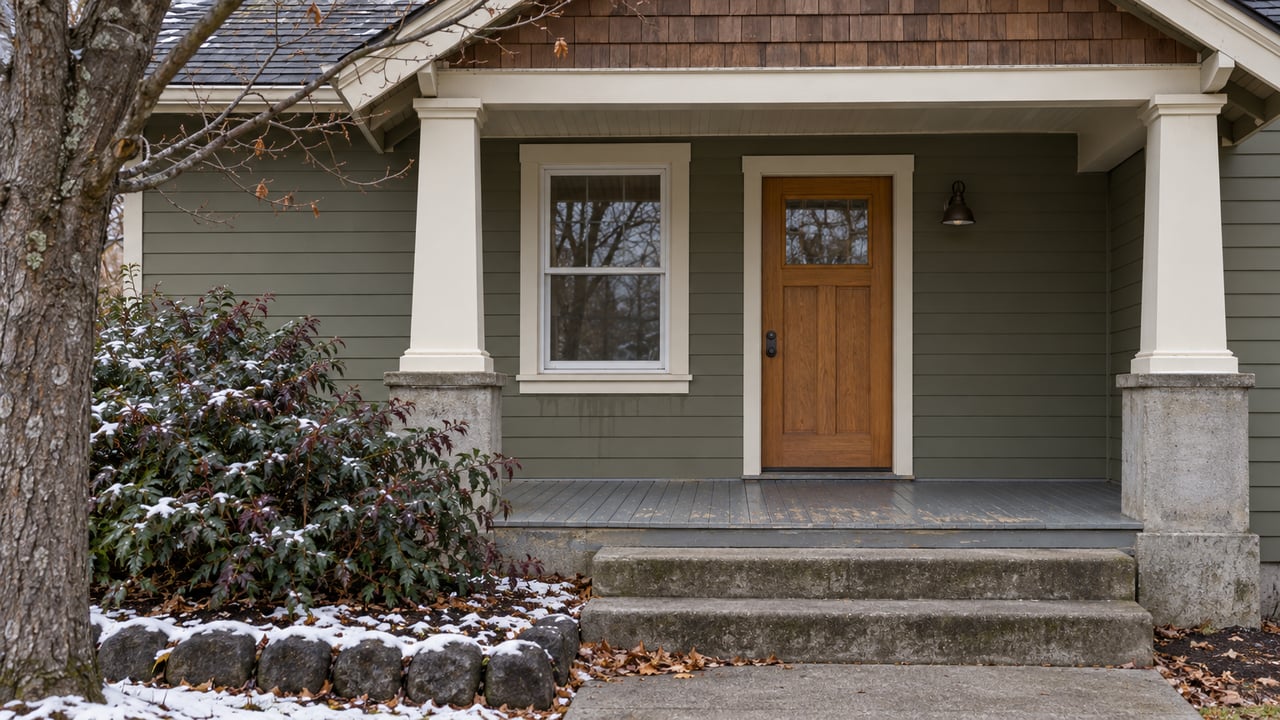
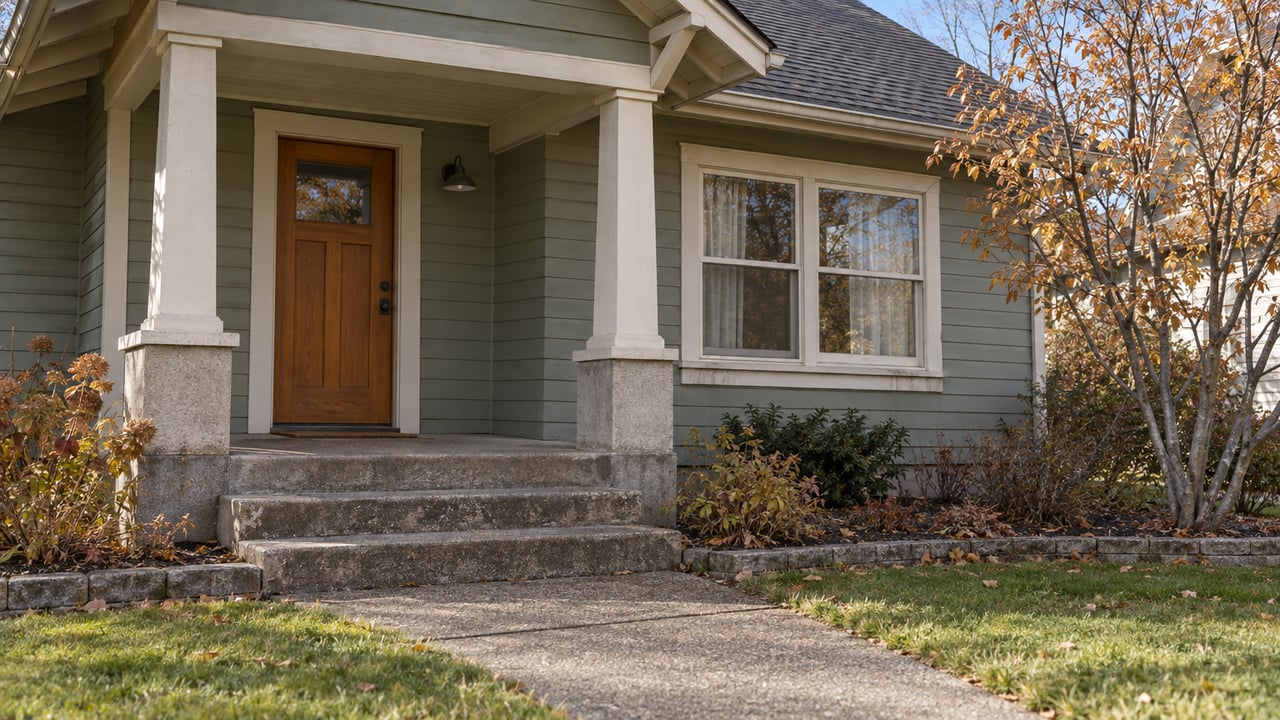
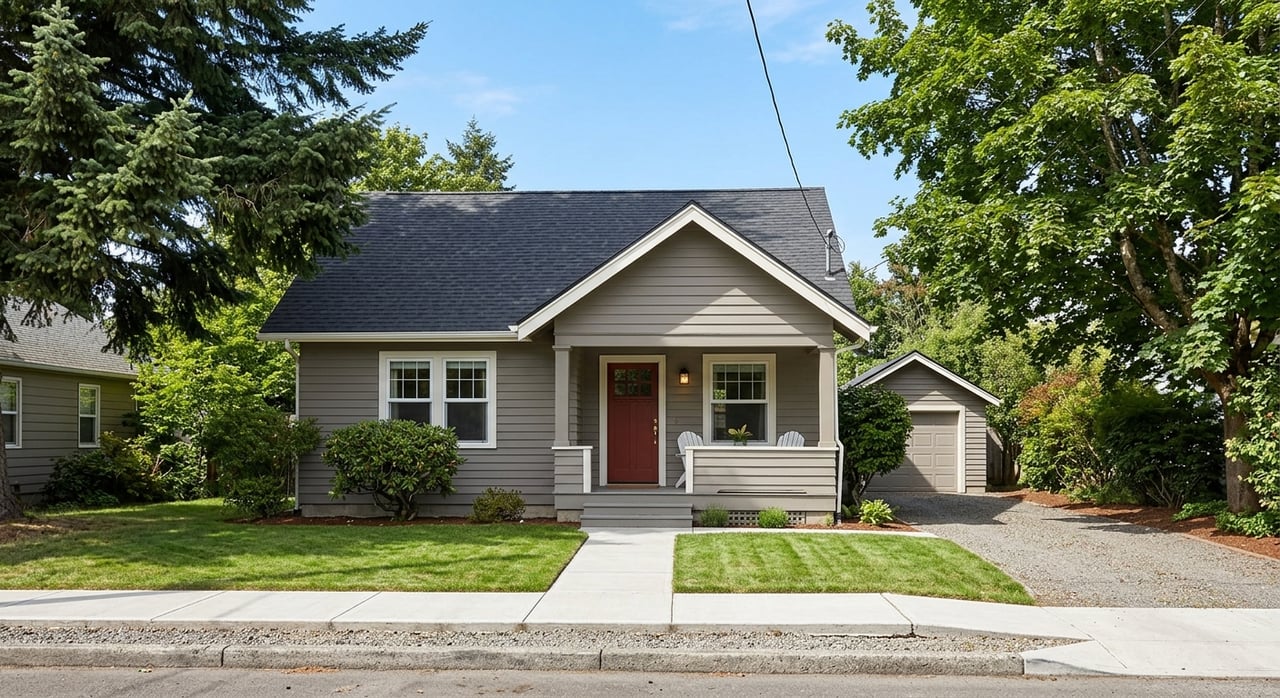
In North Hill, you will find an older urban pattern with early-1900s Craftsman bungalows, cabins, Tudor and Swiss Chalet homes, plus later low-rise apartments and more contemporary homes added through the 1950s to 1970s. In North Indian Trail, the setting shifts toward newer single-family homes, larger lots, and a mix of apartments, duplexes, and condos. Audubon-Downriver adds another layer, shaped by parks, earlier rail-era growth, and a blend of home styles.
That variety is what makes North Spokane appealing to many buyers. One pocket may feel closer to the city core and daily convenience, while another may feel more spacious, scenic, and residential.
Everyday Routines Depend On Corridors
On the north side, your routine is often shaped by corridors rather than one single route. Division, Nevada, Monroe, Wellesley, and Indian Trail all play a major role in how people move through the area for work, errands, and recreation.
Spokane Transit Authority currently operates several north-side routes, including Route 25 Division, Route 28 Nevada, Route 33 Wellesley, Route 124 North Express, and Route 27 Crestline. Route 25 is one of STA’s highest-ridership routes, and Division carries about 50,000 cars a day, which gives you a sense of how central that corridor is to everyday travel.
If you want a commute that mixes driving and transit, Route 124 serves park-and-ride lots at Country Homes and Fairwood. That can be useful if you prefer some flexibility in how you get around.
North Spokane also includes neighborhoods that are closer to downtown than some buyers expect. North Hill’s profile notes that some residents can walk downtown in as little as 20 minutes, while others make the trip by a short bus, bike, or car ride.
The North Spokane Corridor Matters
One of the biggest long-term transportation stories on the north side is the North Spokane Corridor. According to WSDOT, it is a 10.5-mile multimodal route that will connect I-90 with US 2 and US 395 at Wandermere.
WSDOT reports that 7 miles are complete, with 3.5 miles remaining and projected completion in 2029. For daily life, that matters because some north-side pockets are gradually getting easier regional connections, even while many interior streets still function more like neighborhood streets than highway feeders.
Parks Shape The North-Side Lifestyle
For many residents, North Spokane living is closely tied to parks, trails, and open space. That can mean a quick neighborhood park visit, an evening walk, or a weekend routine built around larger trail systems.
Audubon-Downriver includes access to parks such as Downriver Park, Audubon Park, Drumheller Springs Park, Shadle Park, and Webster Park. North Hill lists B.A. Clark, Franklin, and Ruth Parks, while North Indian Trail includes Meadowglen and Pacific Parks.
North Indian Trail’s profile also highlights ridge lines, open space, and connections toward Riverside State Park and the Little Spokane River Natural Area. If you value outdoor access as part of your regular week, that is an important part of the north-side lifestyle picture.
Regional Trail Access Adds Flexibility
Riverside State Park is one of the major outdoor assets serving this part of Spokane. Washington State Parks says the park covers 9,194 acres along the Spokane and Little Spokane rivers and offers about 100 miles of trails.
The Spokane River Centennial State Park Trail adds another key option, stretching 40 miles from Nine Mile Recreation Area to the Idaho border for biking, hiking, running, and other active uses. WSDOT also says the Children of the Sun Trail will connect into the Centennial Trail and other established trail systems.
That combination gives North Spokane a lifestyle advantage for buyers who want everyday access to both neighborhood-scale parks and bigger regional recreation.
Dining And Errands Happen In Local Nodes
Unlike areas that revolve around one dominant shopping district, North Spokane tends to organize daily errands around a series of neighborhood centers. That makes the area feel layered, with different pockets serving different kinds of routines.
In North Indian Trail, the commercial node at Indian Trail Road and Barnes includes restaurants, banks, groceries, and retail. For many households, that means basic errands can stay close to home.
In North Hill, planning materials describe the Garland Neighborhood Center as a mix of commercial, office, residential, and higher-density residential uses surrounding the Garland Business District. This creates a more neighborhood-scaled pattern where services and activity are tied to an established local center.
Shadle Shows A Neighborhood-Hub Model
The Shadle area is a strong example of how some north-side pockets function as everyday hubs. The Shadle area plan describes a compact district center where people can live, shop, dine, attend school, work, and relax within an easy walk or bike ride.
That same plan notes the district’s close relationship to surrounding parkland, neighborhoods, churches, and schools. In practical terms, that gives Shadle a daily rhythm that feels more integrated than a typical pass-through retail strip.
North Monroe is another example of a corridor that has become more comfortable for day-to-day use. City improvements added sidewalks, curbs, pedestrian lighting, enhanced crossings, stormwater work, and transit upgrades, helping support a more walkable and stop-friendly main street experience.
NorthTown Offers A Different Kind Of Convenience
NorthTown represents a different north-side errand pattern. The city’s 2025 Centers & Corridors report describes it as a district center anchored by a large post-war shopping mall on Division, with many stores, some restaurants, strong transit service, and about 40,000 daily vehicle trips.
For you, that means North Spokane offers more than one convenience model. Some pockets are neighborhood-scaled and easier to navigate on foot or bike, while others are more auto-oriented but still very efficient for day-to-day shopping and services.
Housing Settings Vary By Pocket
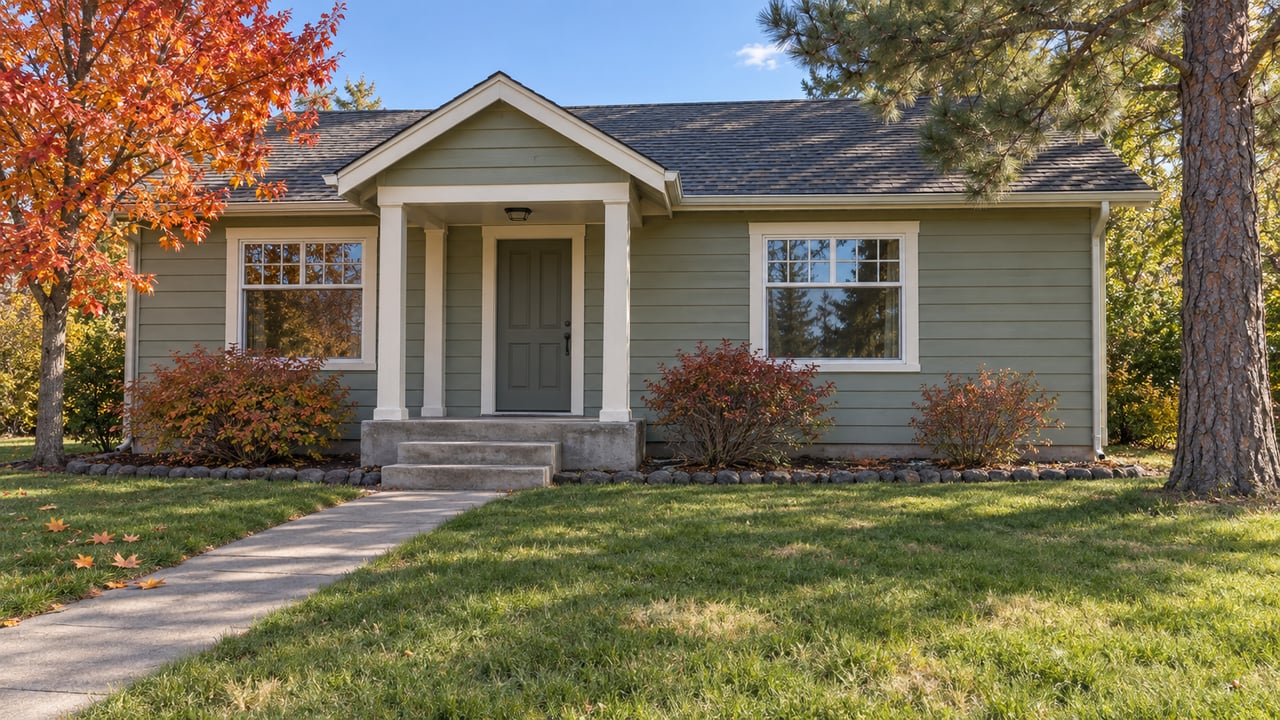
North Spokane’s housing mix is one of the clearest reasons buyers explore the area. The setting can shift from older gridded streets with smaller homes to newer subdivisions with larger lots and more contemporary layouts.
North Hill is a good fit for buyers drawn to early-1900s character and an older neighborhood pattern. Planning materials point to Craftsman bungalows and later low-rise apartments, which adds housing variety within the same general area.
North Indian Trail leans newer, with more single-family homes and larger lots. If you picture a more suburban layout with scenic edges and open space nearby, that pocket may feel very different from the older parts of the north side.
The Shadle-area plan notes that Audubon-Downriver and Northwest include smaller, more affordable homes on gridded streets, often around 1,200 to 1,500 square feet. For early-stage buyers especially, this helps explain why North Spokane often comes up in conversations about comparing home styles, lot patterns, and day-to-day setting across Spokane.
How North Spokane Compares To Other Areas
If you are also considering South Hill or Spokane Valley, North Spokane often stands apart because it feels less like one unified district and more like a set of connected but distinct pockets.
Compared with South Hill, North Spokane is generally less organized around one hilltop identity and a few highly legible destination areas. Instead, it reads as a broader mix of older grid neighborhoods, corridor centers, and newer edge development.
Compared with Spokane Valley, North Spokane is less defined by a single east-west freeway spine. Its daily movement pattern centers more on north-south arterials such as Division, Wellesley, Nevada, Monroe, Indian Trail, and the evolving North Spokane Corridor.
For buyers, that difference can be useful. If you want a part of Spokane where neighborhood identity changes from pocket to pocket, North Spokane offers a more layered experience than many people expect.
What This Means For Your Home Search
If you are home shopping in North Spokane, it helps to think beyond zip codes or broad labels. Your daily life may be shaped by whether you want closer-in access, a neighborhood hub for errands, larger lots, nearby parks, or easier regional connections.
That is where local guidance becomes especially valuable. Two homes can both be in North Spokane and still deliver very different routines, commute patterns, and neighborhood feel.
At The Collection, we help buyers and sellers navigate Spokane’s distinct neighborhood pockets with a calm, concierge-level approach rooted in local knowledge. If you are weighing where North Spokane fits into your next move, we would be glad to help you compare the options with clarity and confidence.
FAQs
What are pocket neighborhoods in North Spokane?
- Pocket neighborhoods in North Spokane are smaller areas with their own housing patterns, parks, commercial nodes, and daily routines rather than one single north-side lifestyle.
What is commuting like from North Spokane?
- Commuting in North Spokane often depends on major corridors like Division, Nevada, Monroe, Wellesley, and Indian Trail, with several Spokane Transit Authority routes and improving regional access through the North Spokane Corridor.
What kinds of homes are common in North Spokane?
- North Spokane includes early-1900s bungalows, mid-century homes, low-rise apartments, smaller gridded-street homes, newer subdivisions, and larger-lot single-family homes depending on the neighborhood pocket.
Are parks and trails a big part of life in North Spokane?
- Yes, many north-side neighborhoods are closely connected to local parks, while larger outdoor destinations like Riverside State Park and the Centennial Trail support biking, hiking, running, and other regular recreation.
Where do people run errands in North Spokane?
- Errands in North Spokane often center around local nodes such as Indian Trail and Barnes, the Garland area, Shadle, North Monroe, and NorthTown rather than one single shopping district.
How is North Spokane different from South Hill or Spokane Valley?
- North Spokane generally feels more like a mix of distinct neighborhood pockets and corridor centers, while South Hill is more unified around a hilltop system and Spokane Valley is more closely shaped by an east-west freeway corridor.