If you want the strongest possible start when your Spokane Valley home hits the market, prep matters more than ever. Buyers have options, and that means your home’s condition, presentation, and pricing need to work together from day one. The good news is that you do not need to guess your way through the process. With a clear roadmap, you can focus on the updates that matter, gather the right paperwork early, and launch with confidence. Let’s dive in.
Why listing prep matters in Spokane Valley
In April 2026, Spokane REALTORS reported 175 active listings, 125 new listings, 105 pending sales, and 76 closed sales in Spokane Valley’s Area 110. That tells you buyers are active, but they also have meaningful choice. In this kind of market, homes that feel clean, well-maintained, and well-presented tend to stand out faster.
That is also why listing prep should never be treated as a last-minute task. A polished launch can help buyers focus on the home itself instead of the projects they think they will need to take on. When your presentation and pricing strategy align, you give your home its best chance to compete.
Follow a practical prep timeline
A smooth sale usually starts well before photos are taken. One of the smartest ways to reduce stress is to break the work into clear phases. That helps you stay organized and avoid rushing repairs, staging, or paperwork at the end.
Weeks 6 to 8: Audit condition and paperwork
Start by walking through your home with a critical eye. Look for anything that feels unfinished, worn, damaged, or likely to raise a question during showings. Make notes room by room, then add exterior items like paint touch-ups, roof condition, decks, driveways, and yard cleanup.
At the same time, begin gathering your records. In Washington, sellers are generally required to provide a completed seller disclosure statement unless waived or exempt, typically within five business days after mutual acceptance. The law says you should answer based on your actual knowledge, avoid leaving blanks, and use NA when a question does not apply.
The disclosure form asks about issues such as roof leaks in the last five years, basement leaks, additions or remodeling, permits and final inspections, settling or sliding, and defects involving structural components, windows, plumbing, electrical systems, and more. That is why it helps to pull together contractor invoices, repair receipts, and permit records before your listing goes live.
Weeks 4 to 6: Tackle repairs and light updates
Once you know what needs attention, focus on repairs and cosmetic improvements with the highest visual impact. National staging and remodeling research supports what many sellers already suspect: buyers are paying close attention to condition. In a 2025 remodeling report, 46 percent of buyers were described as less willing to compromise on home condition.
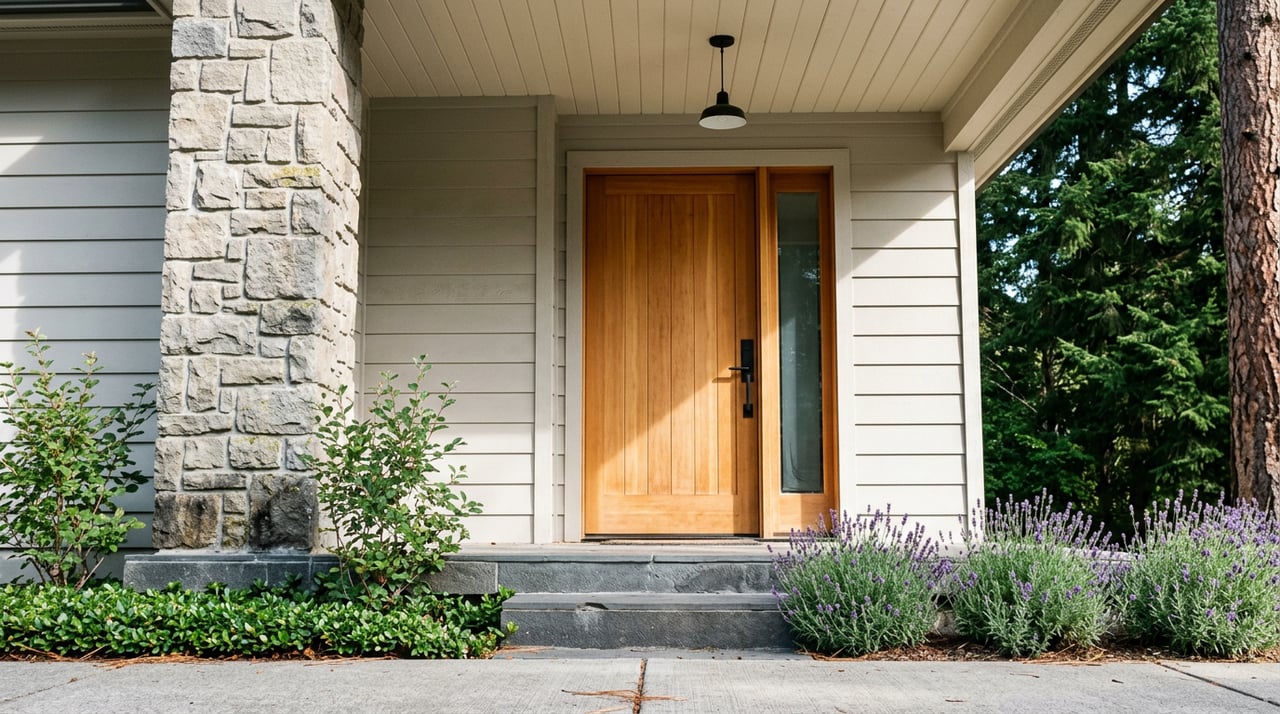
That does not mean you need a full renovation. In many cases, the best return comes from simple, visible improvements like fresh paint, roof-related fixes if needed, and exterior touch-ups that make the home feel cared for. A front entry update can also carry real weight, with a new steel front door showing full cost recovery in that same report.
Weeks 2 to 3: Stage and photograph
Do your cleaning, decluttering, and furniture editing before the camera arrives. According to a 2025 staging report, 83 percent of buyers’ agents said staging made it easier for buyers to visualize the home as a future home. The same report found that photos were one of the most important marketing tools, followed by physical staging, video, and virtual tours.
The takeaway is simple. If your home is not visually ready, it is not ready for photos. A low-drama launch usually works best when the home is fully prepared, the photography is complete, and the showing instructions are ready at the same time.
What to fix before listing
Many sellers ask the same question: what is worth fixing, and what can stay as-is? The answer usually comes down to visibility, function, and whether an issue could create doubt for buyers. Focus first on items that affect first impressions or suggest deferred maintenance.
Prioritize visible condition issues
Start with the items buyers notice right away:
- Peeling or scuffed paint
- Worn or stained flooring
- Loose hardware or fixtures
- Dirty windows or screens
- Damaged trim or caulking
- Obvious exterior wear
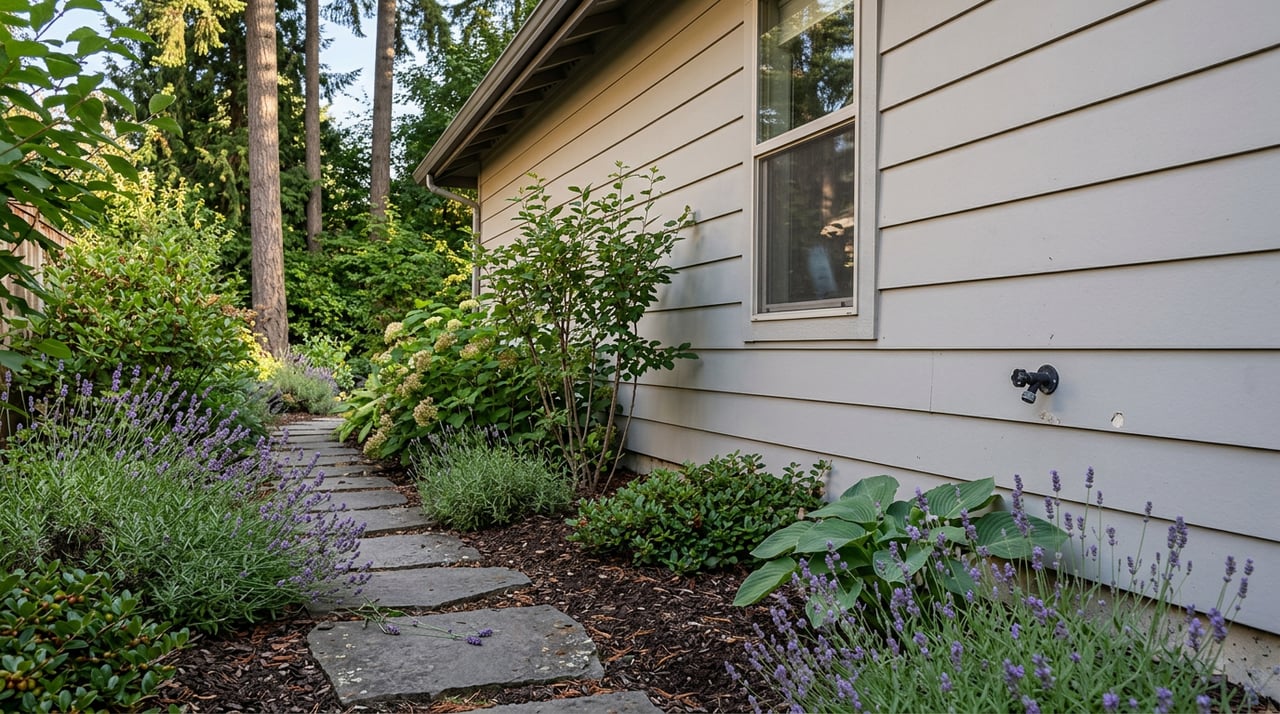
- Untidy landscaping or entry areas
These may sound small, but together they shape how buyers interpret the home’s overall care. If the easy-to-see details look neglected, buyers may assume bigger maintenance issues are hiding underneath.
Address key exterior concerns
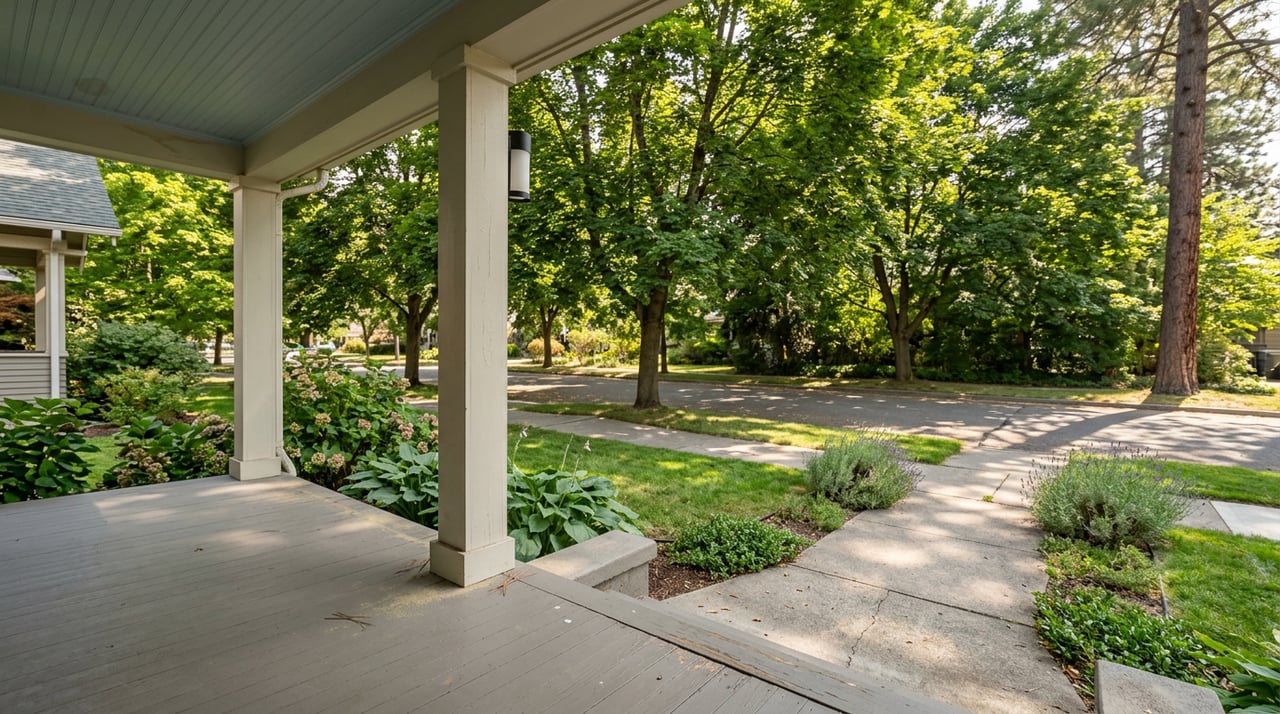
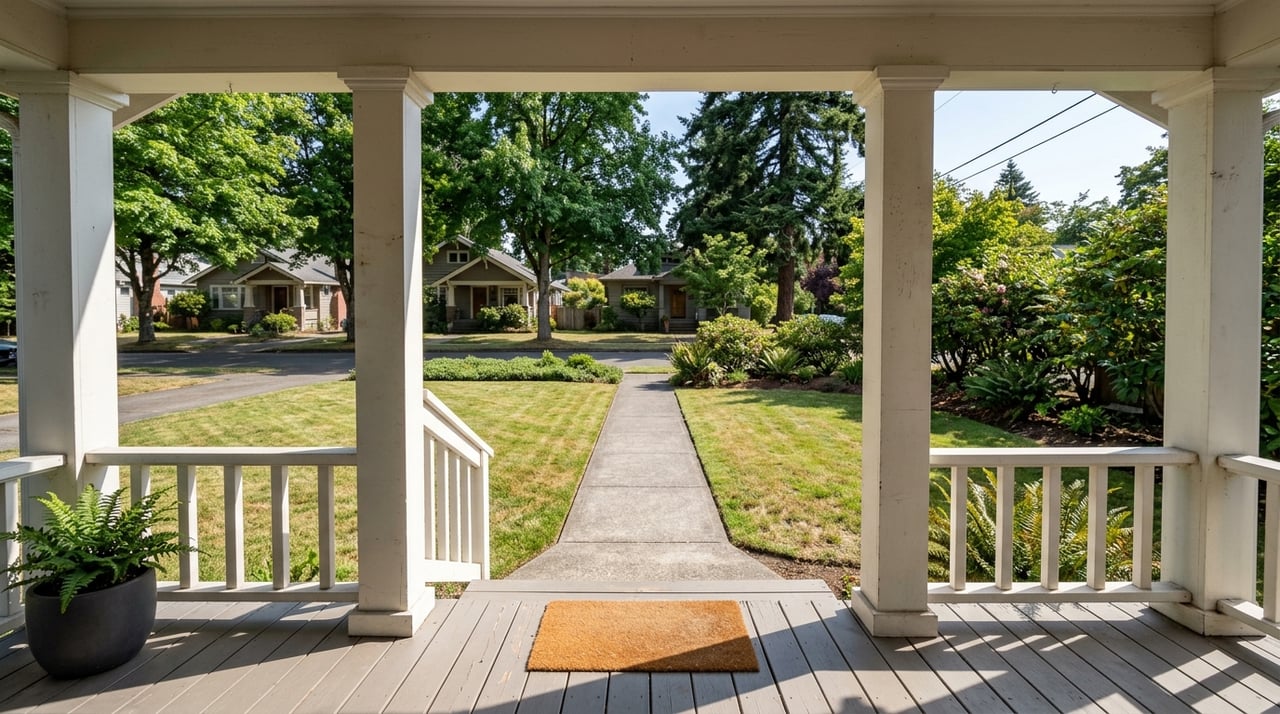
For many Spokane Valley homes, the outside of the property sets the tone before a buyer ever steps through the door. Curb appeal matters, and so does the condition of major exterior components. Roof wear, entry appearance, deck condition, and general cleanup deserve early attention.
If you are deciding where to spend first, lean toward improvements that make the home look orderly, functional, and move-in ready. Full remodeling is rarely necessary for a strong launch. Clean, maintained, and visually consistent often wins over expensive but incomplete projects.
Leave some projects alone
Not every imperfect feature needs to be changed. If a project is highly personal, very expensive, or unlikely to improve buyer confidence, it may be better to leave it as-is and price accordingly. The goal is not perfection. The goal is removing distractions and making the home feel easy to say yes to.
Gather disclosures and records early
Paperwork is easy to push off, but it is one of the most important parts of listing prep. In Washington, the seller disclosure statement asks detailed questions about the property’s condition and history. You will want time to answer carefully and accurately based on your actual knowledge.
Records to pull before launch
Try to gather these items before photos and marketing begin:
- Past repair invoices
- Contractor receipts
- Roof work documentation
- Plumbing or electrical service records
- Records for additions, remodels, decks, or accessory structures
- Permit and final inspection documentation, if available
- Notes on known leaks, drainage issues, or settling concerns
Spokane Valley permit records can be especially helpful if you have completed past improvement work. Archived city permit forms reflect common residential categories such as new construction, addition or remodel work, accessory buildings, and decks. If a buyer has questions later, having records ready can help the process feel more orderly and transparent.
Special note for older homes
If your home was built before 1978, lead-based paint rules may apply. Sellers of pre-1978 homes are required to disclose known lead-based paint or hazards before sale. If you are planning cosmetic prep that includes sanding, scraping, or similar paint-disturbing work, make sure you understand the requirements for lead-safe practices before starting.
Tailor prep to your property type
Spokane Valley includes a range of housing types, and your prep plan should match the kind of property you are selling. A one-size-fits-all checklist can miss what buyers notice most in each category.
Site-built single-family homes
For a standard single-family home, lead with curb appeal and visible maintenance. Pay close attention to exterior paint, front entry condition, roof appearance, and any signs of deferred upkeep. Inside, aim for a clean, bright, edited look that lets buyers focus on space and function.
Condos and townhomes
For condos and townhomes, a move-in-ready feel often carries extra value. Clean finishes, uncluttered surfaces, and bright photography can help the home feel fresh and easy to maintain. Prioritize the rooms that tend to carry the most weight in staging, including the living room, primary bedroom, and kitchen.
Small-acreage or edge-of-Valley properties
If your property includes more land, buyers are usually evaluating the site as much as the house. Tidy the driveway, clear exterior clutter, clean up outbuildings, and make access points feel obvious and usable. Presentation should help buyers understand both the home and how the land functions.
How to think about budget
You do not need to overspend to prepare well. In most cases, your budget should go first toward repairs, maintenance, cleaning, paint, and presentation. These are the updates most likely to improve how buyers experience the home in person and online.
A helpful way to prioritize is to ask three questions:
- Will buyers notice this immediately?
- Will it make the home feel less cared for?
- Will fixing it improve photos, showings, or buyer confidence?
If the answer is yes to one or more of those questions, it is probably worth serious consideration. If not, the project may be a lower priority.
Launch only when everything is ready
One of the biggest mistakes sellers make is listing too soon. If the home goes live before the repairs are done, the staging is complete, or the paperwork is organized, you may lose momentum during the most important window of buyer attention.
A better approach is a coordinated launch. That means the home is visually ready, the photography is finished, the marketing is prepared, and your disclosure packet is in order. When everything is aligned, your listing enters the market looking intentional, polished, and easy for buyers to engage with.
A strong Spokane Valley sale often starts with disciplined preparation, not guesswork. When you focus on the right repairs, gather records early, and tailor your prep to the property itself, you create a smoother path from listing day to closing. If you are preparing to sell and want a calm, bespoke plan for your next move, The Collection can help you map out the right strategy from the start.
FAQs
What should Spokane Valley sellers fix before listing a home?
- Focus first on visible condition issues, exterior maintenance, paint touch-ups, entry appearance, and any repair that could make buyers question how well the home has been cared for.
What paperwork should Spokane Valley sellers gather before listing?
- Gather repair invoices, contractor receipts, permit records, final inspection documents if available, and notes about known issues such as leaks, remodeling, or settling so you can complete disclosures accurately.
How long should listing prep take for a Spokane Valley home?
- A practical timeline is often 6 to 8 weeks for condition and paperwork review, 4 to 6 weeks for repairs and light updates, and 2 to 3 weeks for staging and photography before launch.
How should condo prep differ from single-family home prep in Spokane Valley?
- Condo and townhome prep should emphasize clean finishes, uncluttered rooms, and bright, polished photos, while single-family homes often need extra focus on curb appeal, roof condition, and exterior maintenance.
What should sellers of small-acreage Spokane Valley properties prioritize?
- Prioritize site presentation, including driveway appearance, exterior cleanup, visible outbuildings, access points, and overall land care so buyers can clearly understand the property’s full value.
Do Spokane Valley sellers need to complete a disclosure form?
- In Washington, sellers generally must provide a completed seller disclosure statement unless waived or exempt, and the form should be completed based on the seller’s actual knowledge without leaving blanks.